Twice in four years, rivers have pushed into homes across our service area. In November 2021 roughly 85% of the homes in Sumas took damage, and Everson, Ferndale and Lynden took the brunt as well. In December 2025 the Nooksack spilled through Sumas, Nooksack and Everson again, with water about 15 feet deep in parts of Sumas. The same week the Skagit crested at a record level at Mount Vernon, all of Burlington was ordered to evacuate, and Skagit County later counted 784 damaged homes. Afterward, the first calls sounded alike: the water is gone, the washer looks fine, can I plug it back in?
Here is the answer we give on the phone, written down.
Before anything else: power, gas and your own safety
- Do not plug in or switch on any appliance that stood in flood water, even if it has dried and looks clean. Wet insulation inside can put voltage on the metal cabinet.
- The breaker box. If you can reach it while standing on a dry floor, switch off the breakers for the laundry, kitchen and garage. If the box or the outlets were under water, do not touch it and keep the power off.
- Gas. Keep the shutoff behind a gas dryer or gas range closed. If a gas smell shows up, do not work light switches or use a phone indoors; get everyone out and phone 911 from the street. On a propane tank, call your propane supplier.
- Water. Close the valves behind the washer and the dishwasher supply under the sink, so a cracked hose or valve cannot add more water once the well or city service is back.
- Photographs. Before anything goes to the curb, photograph the tide line on each cabinet and the model and serial label. Insurers and assistance programs ask for both.
Why river water is worse than a leak
A burst supply hose puts clean water on the floor. Flood water in Whatcom and Skagit counties carries silt from farm fields, fuel from submerged cars and tanks, and sewage from flooded septic systems, of which Whatcom County has nearly 30,000 and Skagit more than 20,000. That mix soaks into places a towel never reaches: the windings of a motor, the pins of a wiring harness, the foam inside a refrigerator door. Silt dries into a fine crust that holds moisture against copper and steel. An appliance can run for a week or two after drying out and then quit as corrosion eats through a connector or a motor winding shorts to its frame. That delay is why we test before we trust anything that sat in water.
Appliance by appliance
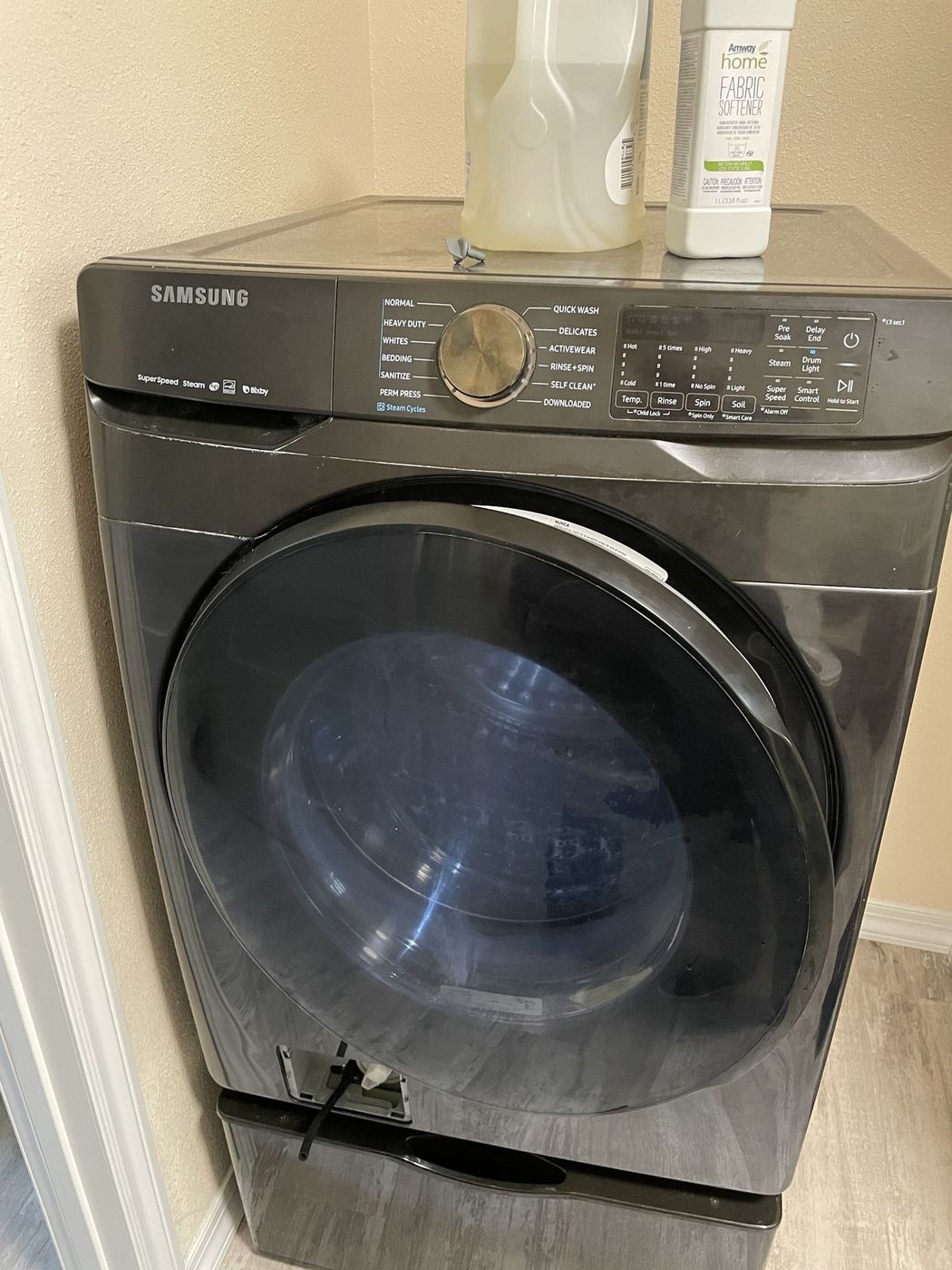
Washers. On a front-loader the drive motor, drain pump and the bottom of the outer tub sit within a few inches of the floor, so even shallow water reaches them. A top-loader keeps its controls up in the console, but its motor, pump and drive unit live underneath. If water stayed below the motor and pump, the machine is worth an inspection. If it rose into the tub, silt has worked in between the inner and outer tubs and around the bearing seal. Tub bearings and spider arms are not repairs we take on in this area, so a tub full of river mud usually means a new washer, and we say so on the first visit.
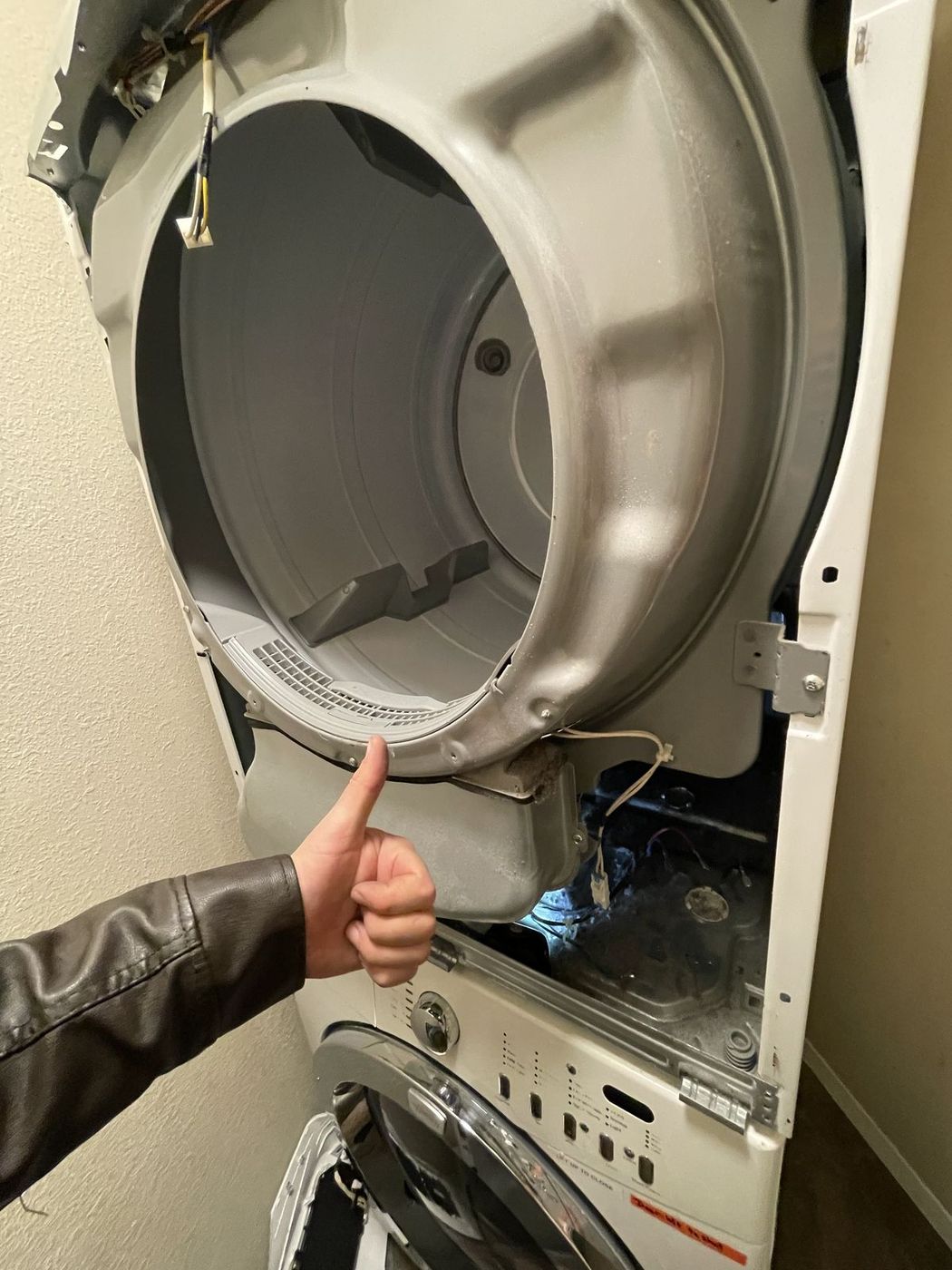
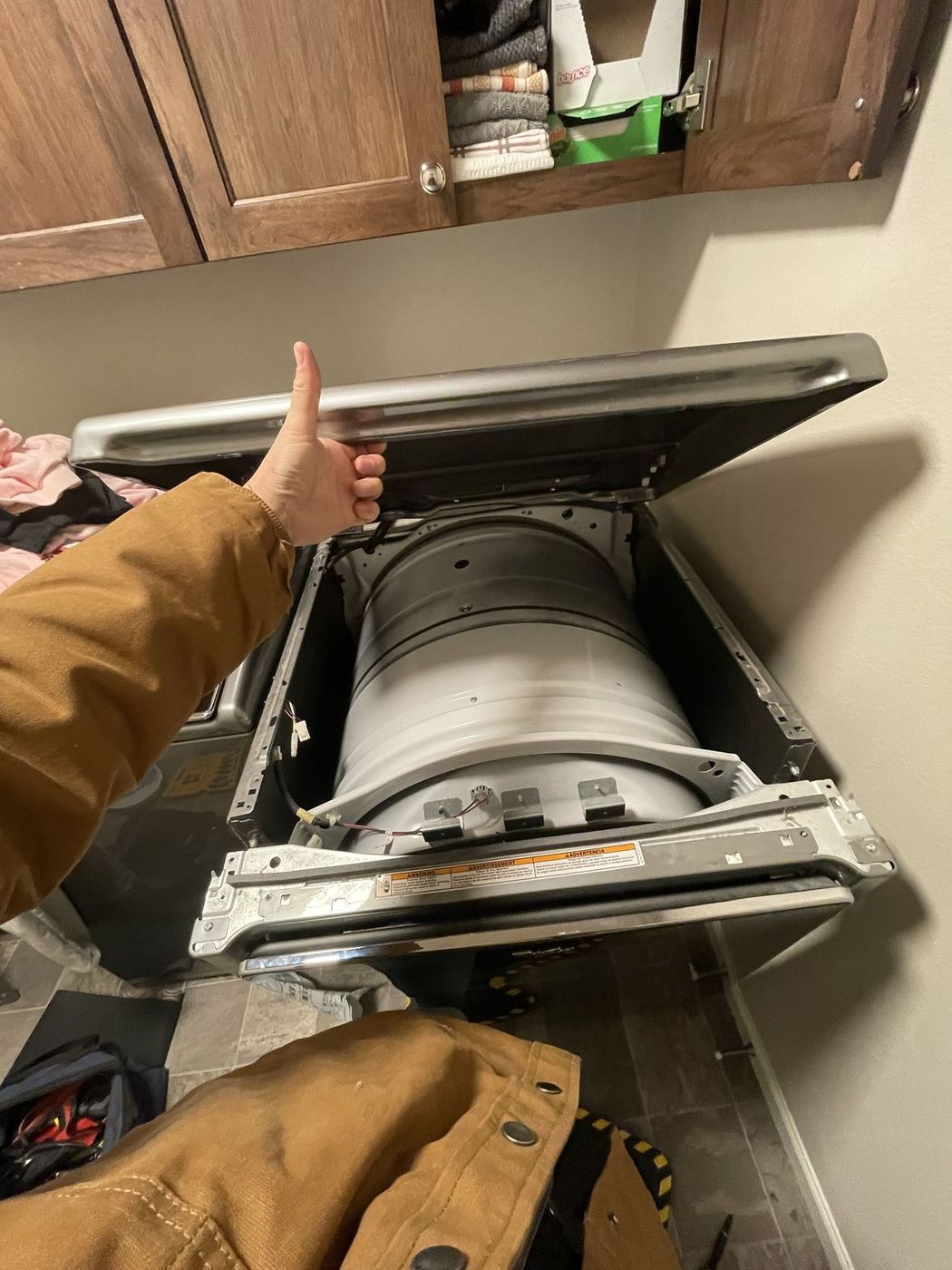
Dryers. The motor, blower and, on a gas dryer, the burner, igniter and gas valve all sit near the base. Gas utilities and appliance makers agree that a gas valve or control that went under water gets replaced, not dried and reused. If the vent duct filled with mud, replace it; a half-blocked duct is a fire risk.
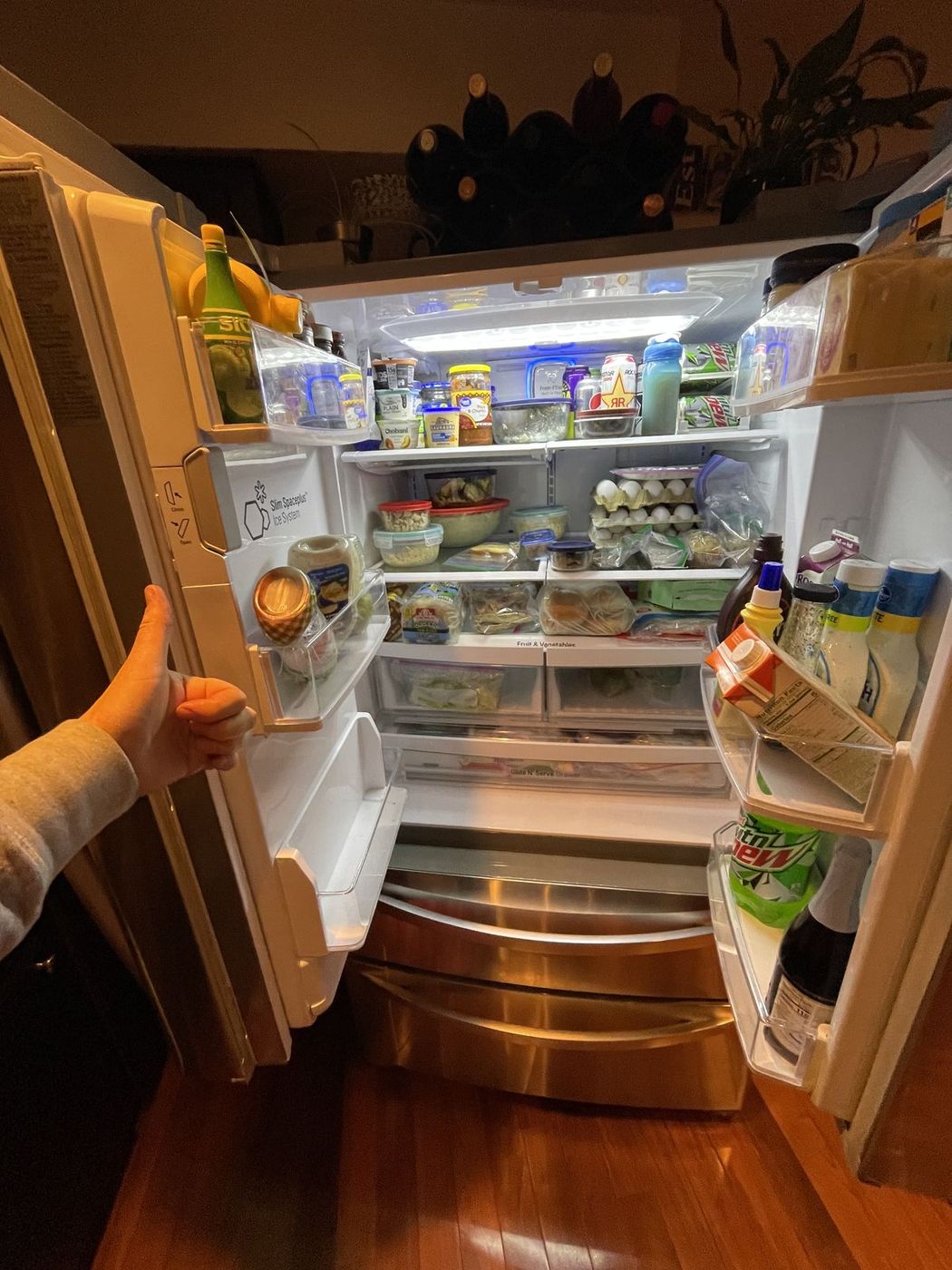
Refrigerators and freezers. These rarely come back. The walls and doors are packed with foam, and flood water that seeps behind the liners cannot be cleaned out, so the cabinet keeps smelling and can grow mold inside. The compressor, the condenser fan and often the control board sit low at the back. Food that flood water touched goes in the trash.
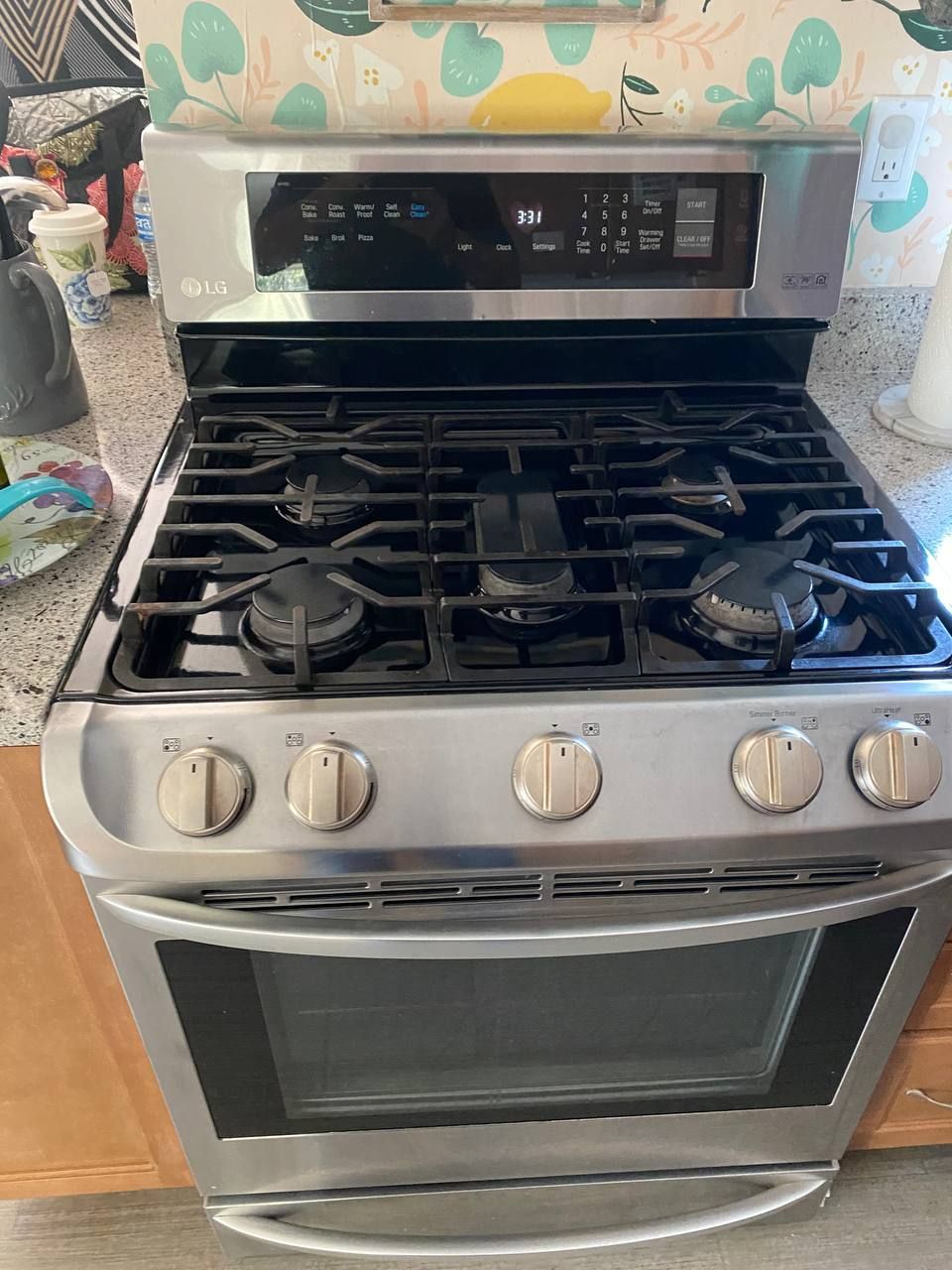
Ranges and ovens. An electric range sometimes survives water that stayed below the storage drawer, because its elements, switches and control board sit high. The terminal block where the power cord connects is low at the back, though, so that panel comes off first. When water reached the oven cavity, the fiberglass blanket around it is soaked and will smell every time the oven heats. On a gas range, any valve, regulator or igniter that sat under water is replaced as a matter of course, and the list usually tips the decision toward a new range.
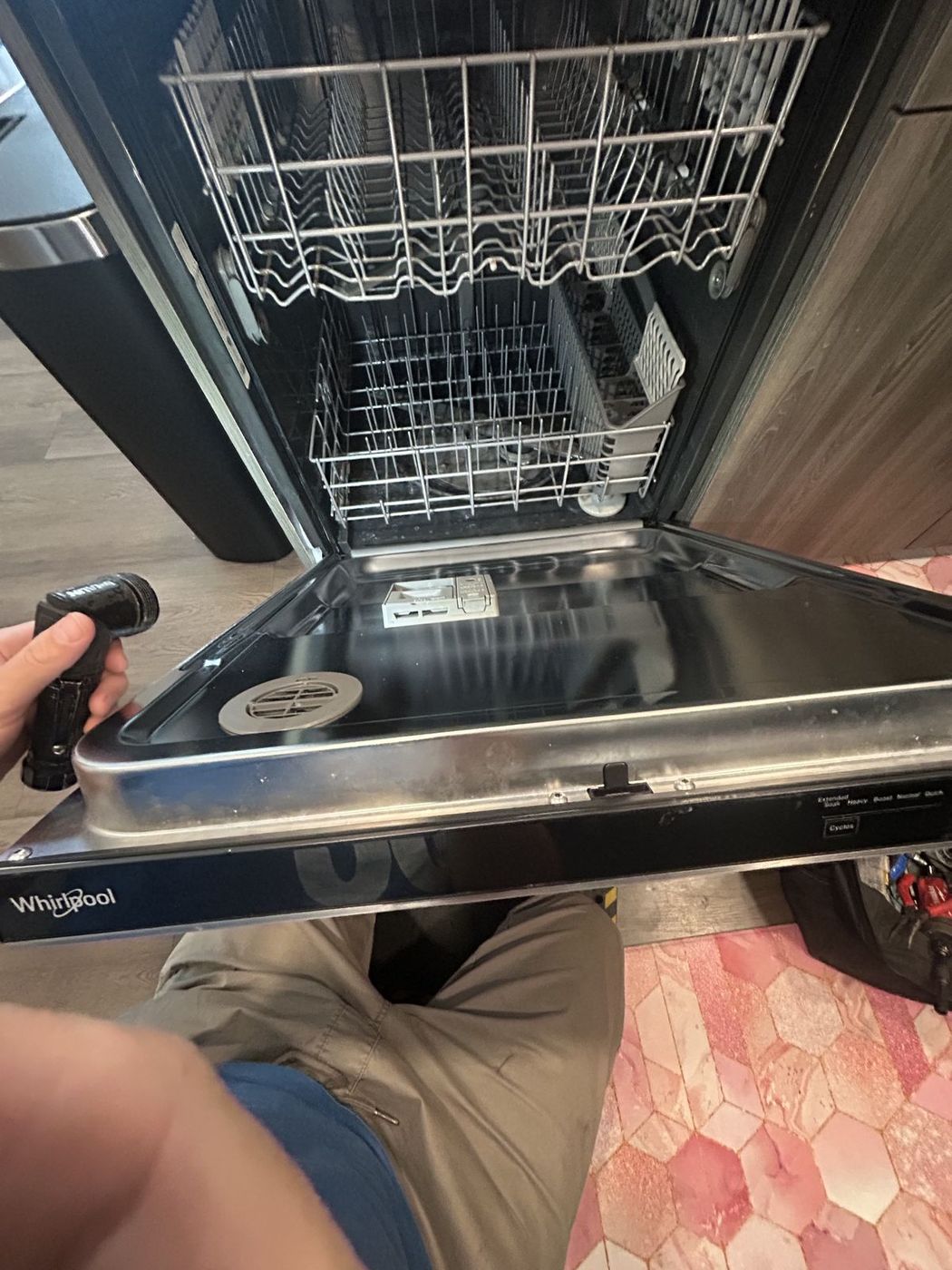
Dishwashers. A dishwasher sits on the floor under the counter, with its pump, motor and wiring in the base and an insulation blanket wrapped around the tub. One that stood in flood water is almost always a replacement.
When the water stayed low: how we check
Some appliances in a flooded house never got wet past their leveling feet: a chest freezer on blocks in the garage, a washer on a pedestal, a range in a raised kitchen. For those, a diagnostic visit makes sense. Our technician:
- finds the water line on the cabinet and the floor, then removes access panels to see whether water or silt got inside;
- tests the motor, pump and wiring for leakage to the frame with a meter before the appliance is powered;
- looks over connectors and the control board for silt, green corrosion or tide marks;
- runs a cycle only when all of that checks out, and stays to watch it.
You get the findings in writing, with a price before any repair. If the result is that the appliance should go, those written findings help with an insurance claim or an assistance application. An approved repair has the call-out fee taken off; when replacement is the right call, the diagnostic is the only thing you pay.
Repair or replace after a flood
Our rule of thumb: if flood water reached a motor, a control board, a gas valve or the insulation, plan on replacing the appliance. If it stopped short of all four, a check is worth the visit. We work throughout the flood-hit towns, including Sumas, Everson and Nooksack and Burlington, with no distance surcharge. Call (360) 525-9166 or book through our washer repair page; our phone is staffed every day, and a visit that same day often works out if you call before late morning.