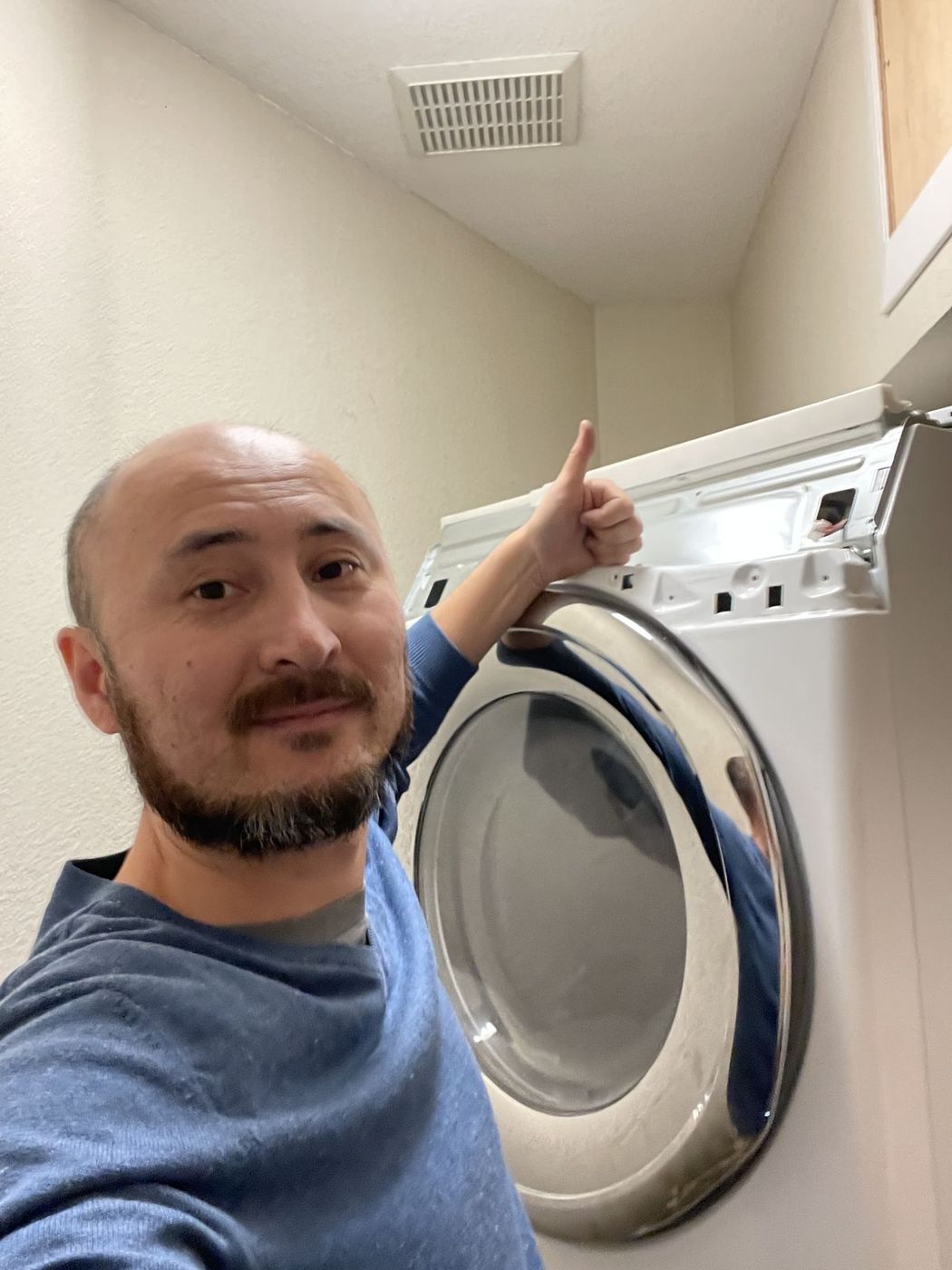
Close to four in ten Bellingham homes are in buildings with five or more units, and 17% of the city's housing was built before 1940. Both numbers show up in laundry closets. In a downtown or Fairhaven condo, the dryer often sits deep inside the unit, with its exhaust running across a ceiling, up a chase or out through the roof. In a Lettered Streets or South Hill house, the laundry arrived decades after the house did, and the vent snakes through a basement or crawl space to wherever a hole could be cut. Rentals near campus in Sehome and Happy Valley get a bit of both, plus a dryer shoved hard against the wall.
A dryer is a fan with a heater in front of it. It only works as well as the air can leave. When the duct is long, bent or crushed, airflow drops, heat builds up in the drum and housing, and the dryer starts protecting itself.
How long is too long
Washington adopts the International Residential Code, and its dryer duct rules are specific. By default a 4-inch exhaust duct may run 35 feet, with 5 feet taken off for every 90-degree elbow and 2.5 feet for every 45. Three elbows leave 20 feet of straight duct. A dryer's installation manual can allow more, and many do for smooth rigid metal, but most condo runs we see were laid out to fit the framing, not those numbers. The code also calls for smooth metal duct inside walls and ceilings, a visible transition hose no longer than 8 feet, joints without screws poking into the airstream, and an outside hood with a backdraft damper and no screen.
Signs the vent is the problem
- A normal load needs two cycles, or towels come out hot but damp along the seams.
- The laundry closet turns warm and humid while the dryer runs.
- The top or sides of the cabinet feel hot to the touch.
- Lint collects behind the dryer or around the outside hood, and the flap barely lifts.
- Some newer dryers flash a vent or airflow warning on the display.
- After months of slow drying, the dryer suddenly runs without heat or will not start at all.
The thermal fuse is a messenger
Every dryer has thermostats and a thermal fuse that cut power when exhaust temperature climbs too high. The cycling thermostat switches the heat on and off to hold drum temperature, the high-limit thermostat shuts the heater down if that fails, and the thermal fuse is the last line: it opens once, for good. Depending on how the model is wired, a blown fuse leaves the dryer dead or running cold. On gas dryers, a restricted vent shows up as the burner tripping the high limit again and again. On electric models, it shows up as heating elements that break or short after running too hot for too long.
Replacing a fuse takes minutes. Replacing it without fixing the airflow means it blows again. An open fuse means we also check airflow at the outside hood and look over the vent before finishing, and both findings go on the estimate.
Crushed hoses behind stacked units
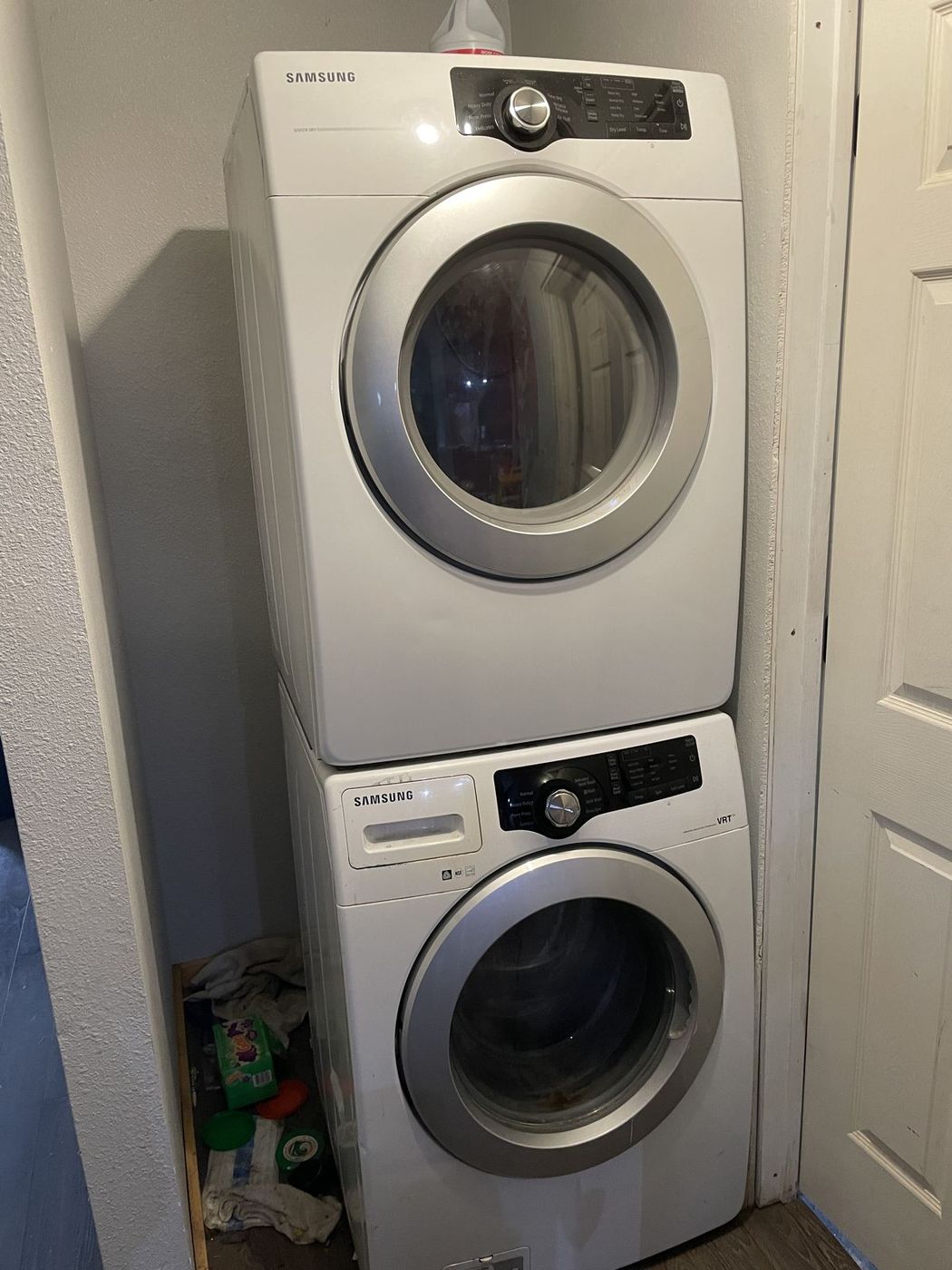
Stacked laundry centers and dryers in shallow closets share a specific weakness: the dryer gets pushed back until the transition hose behind it folds flat. Thin foil hoses crush easily, and plastic or vinyl hoses should not be used at all. A semi-rigid metal transition cut to length, or a slim periscope duct made for tight spaces, keeps the airway open without costing you closet depth.
What you can check, and who handles what
- Clean the lint screen before every load. If you use dryer sheets, wash the screen in warm soapy water now and then; the waxy film blocks air even when the screen looks clean.
- With the dryer running, go outside or to the roof access and see whether the hood flap opens and you can feel a strong stream of warm air.
- With the dryer off and unplugged, look behind it for a kinked or flattened hose. On a gas dryer, leave the gas connector alone and let us move the machine.
In many condo buildings the duct inside the walls and the roof termination belong to the association, not the owner, so check the bylaws before you schedule a duct cleaning. Long runs need a rotary brush worked from both ends, and some buildings use a booster fan built for dryer exhaust. Our part is the dryer itself: the fuse, thermostats, heating element or gas igniter, blower wheel, drum rollers, and the transition from the dryer to the wall.
Fire safety
Fire-service reports have pointed to the same leading factor in home dryer fires for years: lint that was never cleaned out. Never leave the dryer running when you go out or to bed, keep laundry piles clear of it, and stop the cycle and unplug at any burning smell. If you smell gas near a gas dryer, get everyone out and phone 911 from the street.
We repair gas and electric dryers across Bellingham, from City Center condos to the older houses on the hill, and throughout the rest of our area. Details are on our dryer repair page; call (360) 525-9166 or book online.