North of Bellingham the map changes from city mains to private wells. Rural lots around Custer, west of Ferndale, along the back roads between Lynden and Everson and out toward Sumas often pump their own water, and Whatcom County counts nearly 30,000 septic systems, a fair sign of how many homes sit beyond the sewer lines. Some town water is groundwater too: Sumas draws from three municipal wells about 80 feet deep in the Abbotsford–Sumas Aquifer and serves it untreated, and Ferndale has drawn from wells since December 2011.
Groundwater brings its own kind of wear. Fine sand, silt and rust flakes ride along with it, and the first places they land are the small screens and valves where your dishwasher, washer and refrigerator take water in.
Where the grit ends up
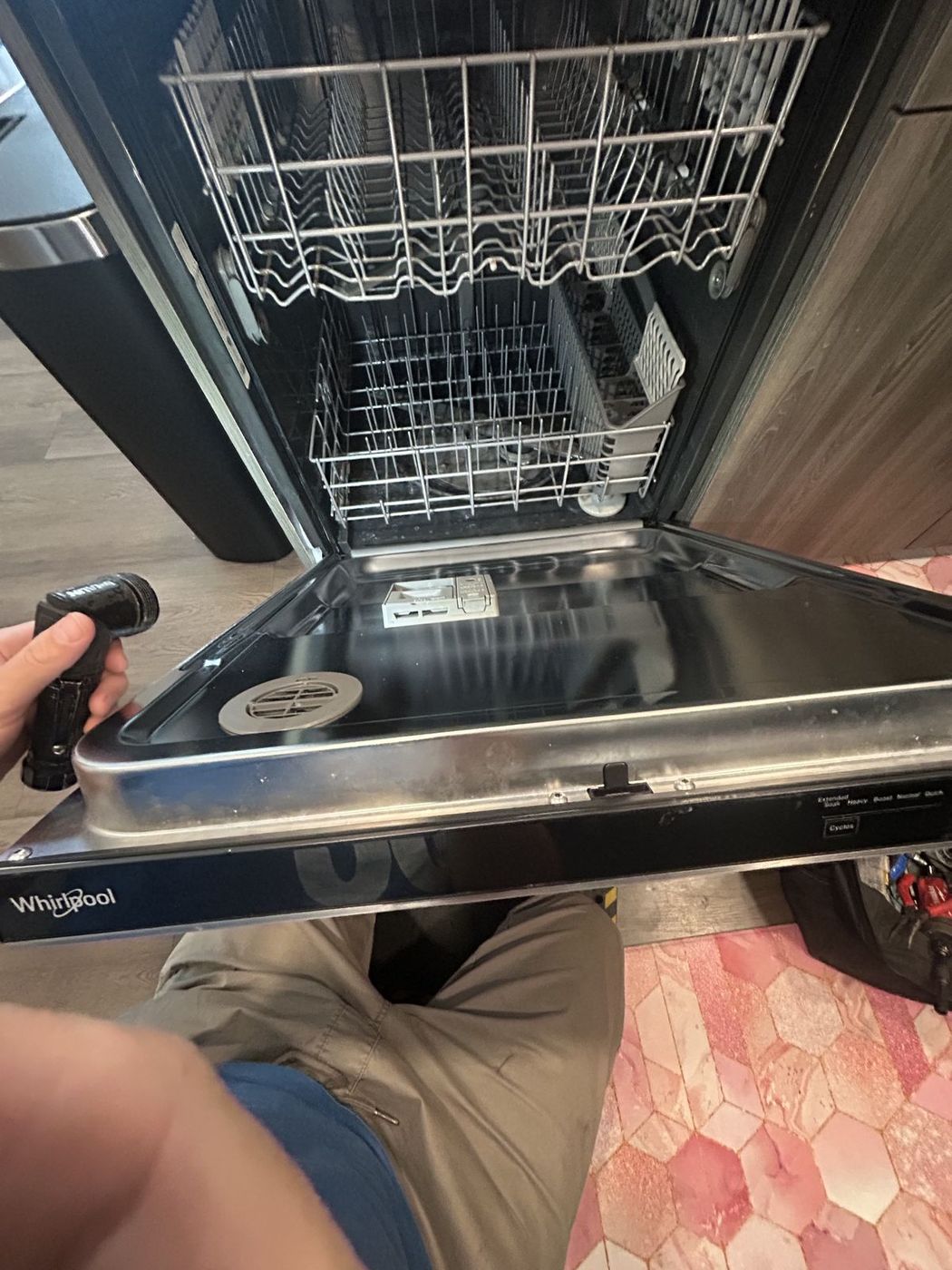
- Dishwasher inlet valve. Behind the lower front panel, the hot line connects to a solenoid valve with a fine mesh screen in its inlet. Sand that slips past the screen can lodge under the valve's rubber diaphragm.
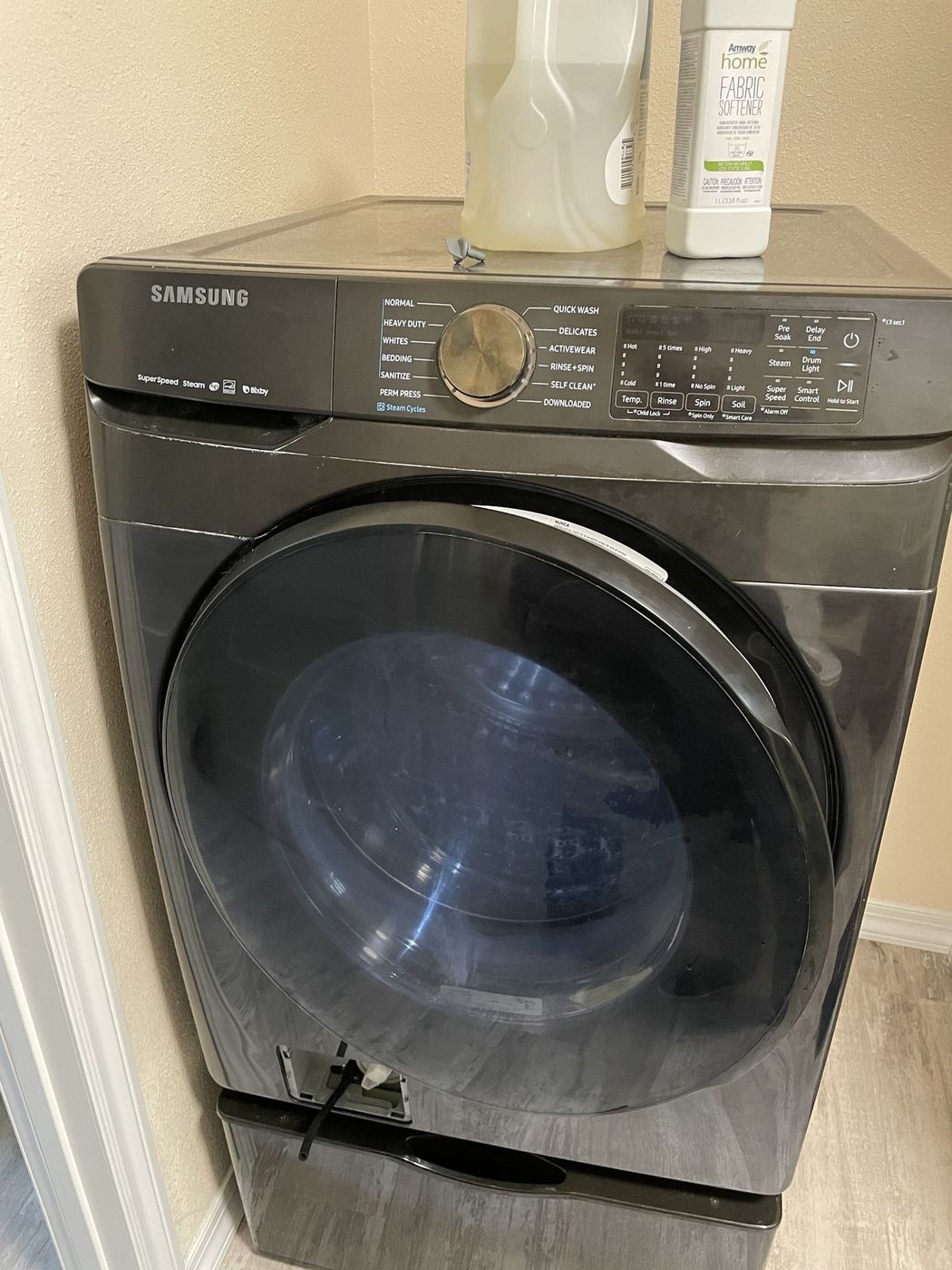
- Washer inlet valves. The two hose connections at the back of a washer each hold a cone-shaped screen, with a valve much like the dishwasher's right behind it.
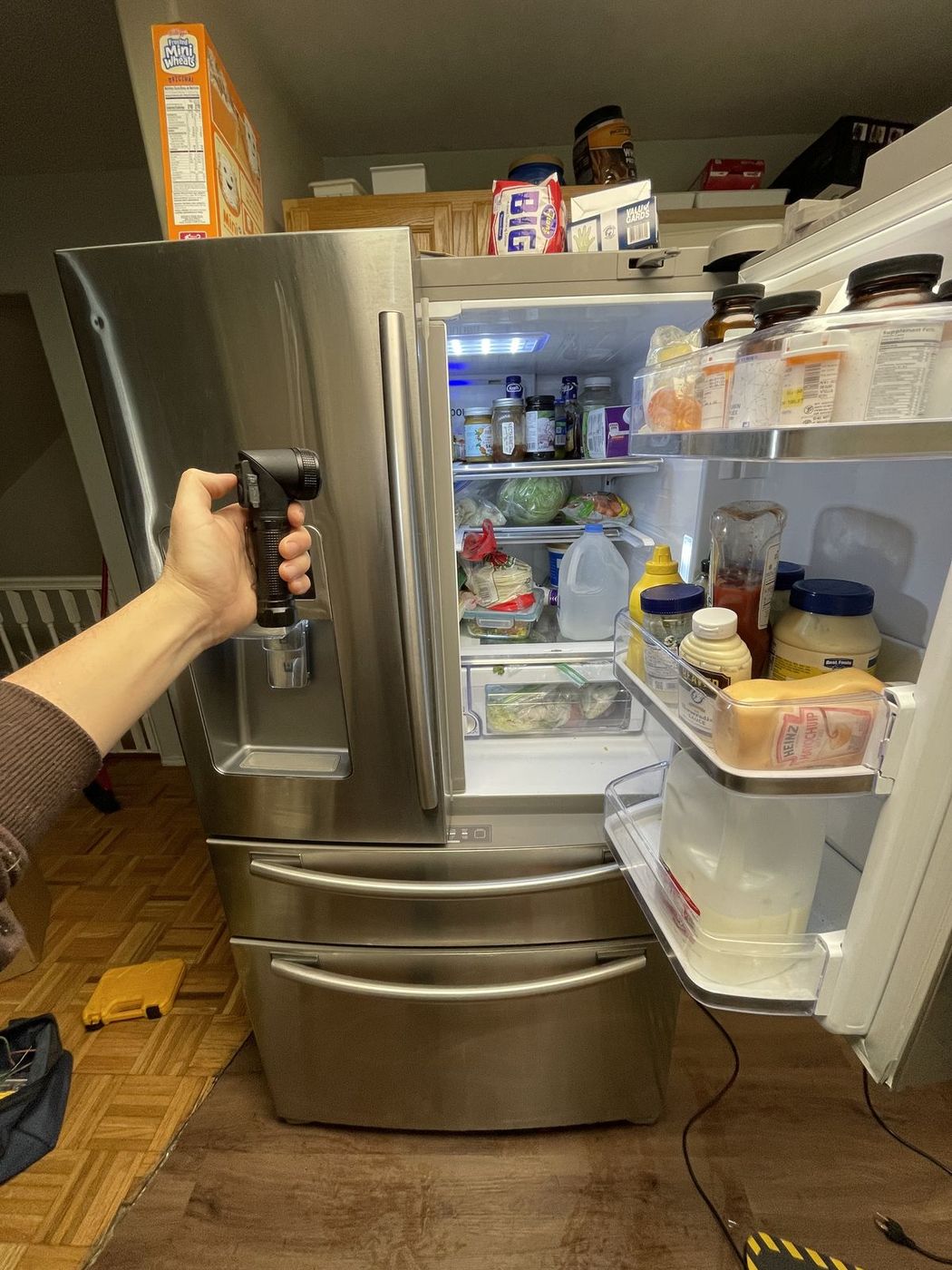
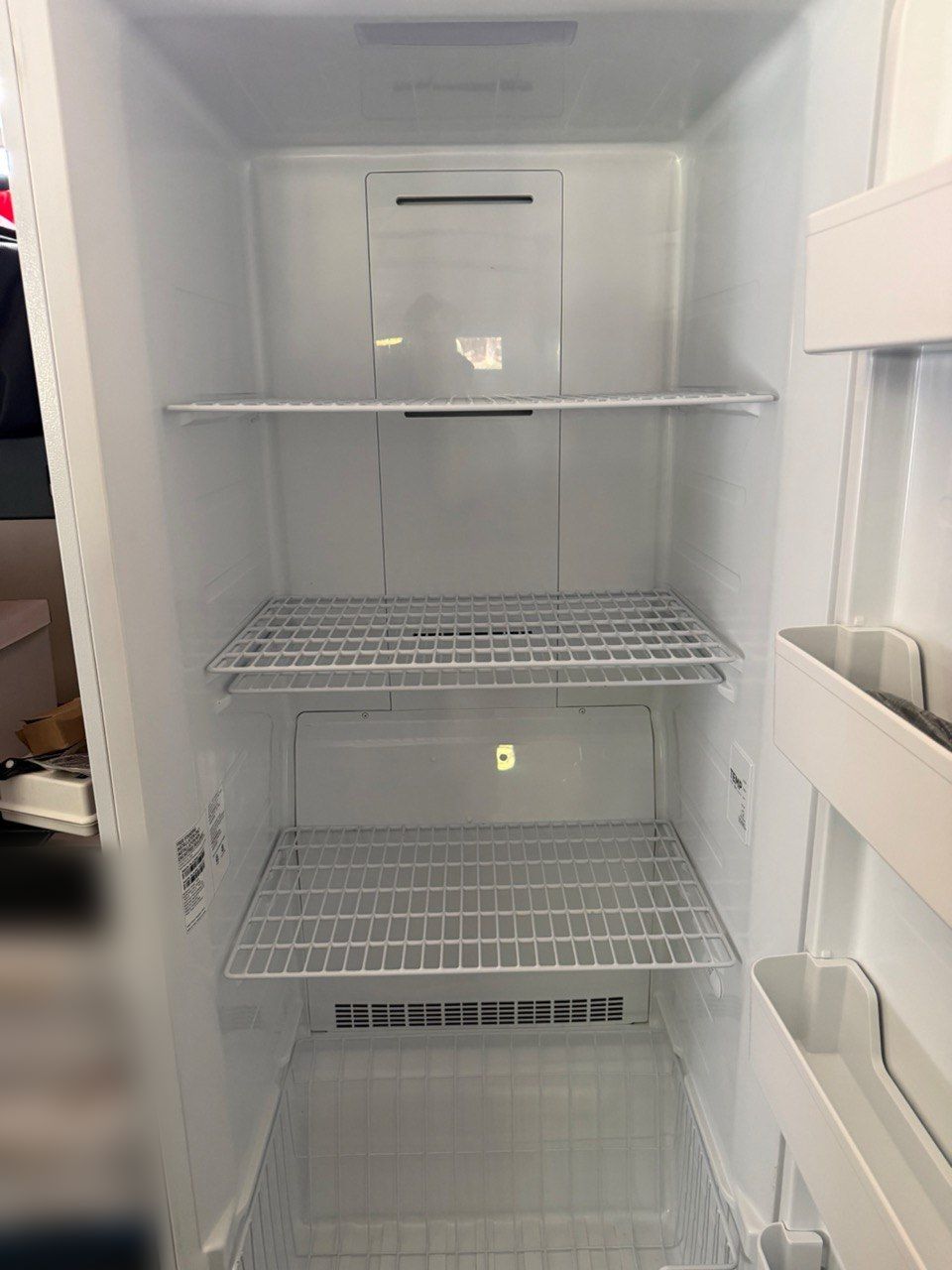
- Refrigerator valve and filter. The cartridge catches most of what arrives, which is why a cartridge on well water often clogs long before its rated life.
- Dishwasher filter and spray arms. Grit that does get in settles in the sump and filter, and the smallest bits wedge into spray-arm holes.
What sediment does to a valve
An inlet valve fails in one of two ways. If debris packs the screen, water comes in slowly. A washer takes ages to fill or throws a long-fill code, and a dishwasher that fills for a set time takes in too little water, so dishes come out gritty and the pump may whine as it draws air. If a grain of sand holds the diaphragm off its seat, the valve cannot close. Then water trickles in while the appliance is off. In a dishwasher you find water standing in the tub between loads, or on many models a float trips and the drain pump runs by itself. In a washer the tub slowly fills while nobody is home. That second failure is the one to take seriously, because a valve that does not shut is a leak waiting for the wrong day.
Checks you can do yourself
- Clean the dishwasher filter. Most recent dishwashers have a filter you lift out of the bottom of the tub, usually with a quarter turn of the cylinder. Rinse it at the sink with a soft brush; a wire one tears the fine mesh. On well water, check it every couple of weeks rather than once a month.
- Look at the washer screens. Close both supply valves, lay a towel down and unscrew the hoses from the back of the washer. If the screens are packed with sand, rinse them gently in place. Many are pressed into the valve, and prying them out can ruin it.
- Flush after well work. After a pump replacement, a pressure tank change or any repair that left the system empty, run a cold tap until the water clears before you start a load.
- Know your shutoffs. The dishwasher valve is usually under the kitchen sink; the washer valves sit in the wall box behind the machine.
Hardness and iron
Sediment is the visible problem; dissolved minerals are the slow one. Groundwater varies from one well to the next, and some north county wells carry enough hardness or iron to leave white film on glasses and orange stains in a dishwasher tub or on white laundry. Ferndale shows how quickly that can change. After the city switched to wells, mineral levels more than doubled, and by early 2013 residents were reporting spots on dishes, stained laundry and corroded fixtures. The city added reverse osmosis in 2014 and softens its water today. On a private well, a water test is the only way to know what you have. A sediment filter where the line enters the house protects every appliance downstream, and a softener or iron filter handles what a screen cannot. When the inside of an appliance points to hard water, iron or sediment, we will tell you.
A well that went under flood water during the 2021 or 2025 floods needs disinfecting and testing before anyone drinks from it, and it is also likely to send a slug of silt into every valve in the house for a while afterward.
What we fix
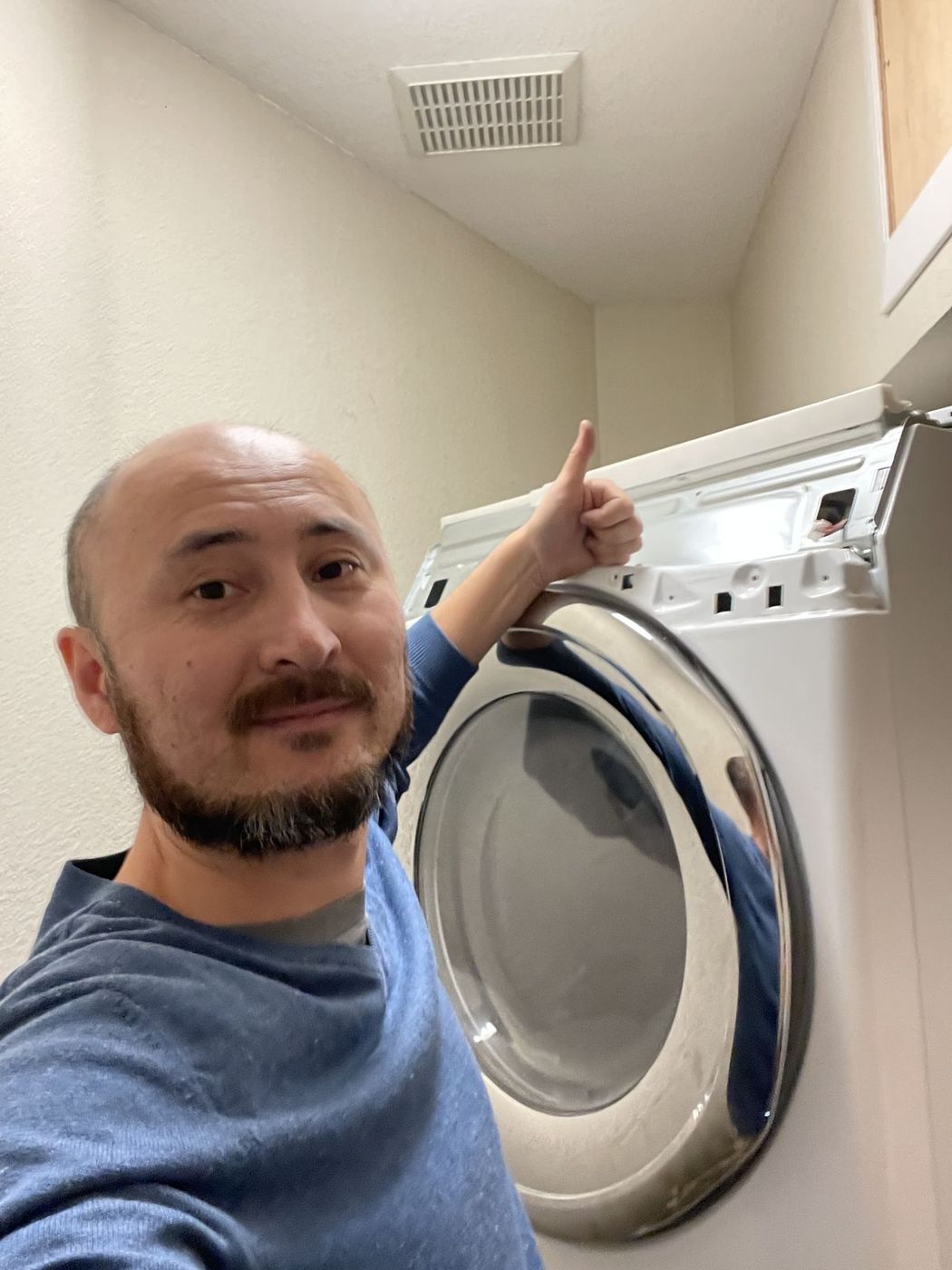
When a dishwasher or washer on a well comes to us with a fill or leak complaint, we start at the valve. We check the screen, test the solenoid coil, and watch whether the valve closes fully with pressure on it. A valve with sand under its diaphragm usually gets replaced, since cleaning rarely restores a tight seal. In a dishwasher we also pull and inspect the filter assembly, clear the spray arms, check the drain pump impeller for grit damage, and look at the circulation pump's seal, which sand wears faster than food soil ever does. On a washer we test both valves and then the drain pump, which collects whatever sand makes it into the tub.
Inlet valves and drain pumps for common models ride along in our vans, so most of these repairs finish on the first visit. The price goes on paper first, and nothing happens until you approve it. Rural addresses carry no distance surcharge, whether you are outside Lynden, near Ferndale and Custer or in Sumas. See our dishwasher repair page or call (360) 525-9166.