File 1 of 6
Washing machines
A drum that keeps its water, a lid lock stuck shut, a spin that rocks the floor: front-loaders, top-loaders and stacked towers alike.
Washing machines in LyndenLynden · front- and top-load washers
Lynden washer repair for muddy work clothes and family laundry
A washer in Lynden may handle barn coveralls in the morning and a baby's laundry by evening. We fix front-loaders, top-loaders and stacked laundry centers in town and on the farm roads, about 20–28 minutes from downtown Bellingham.
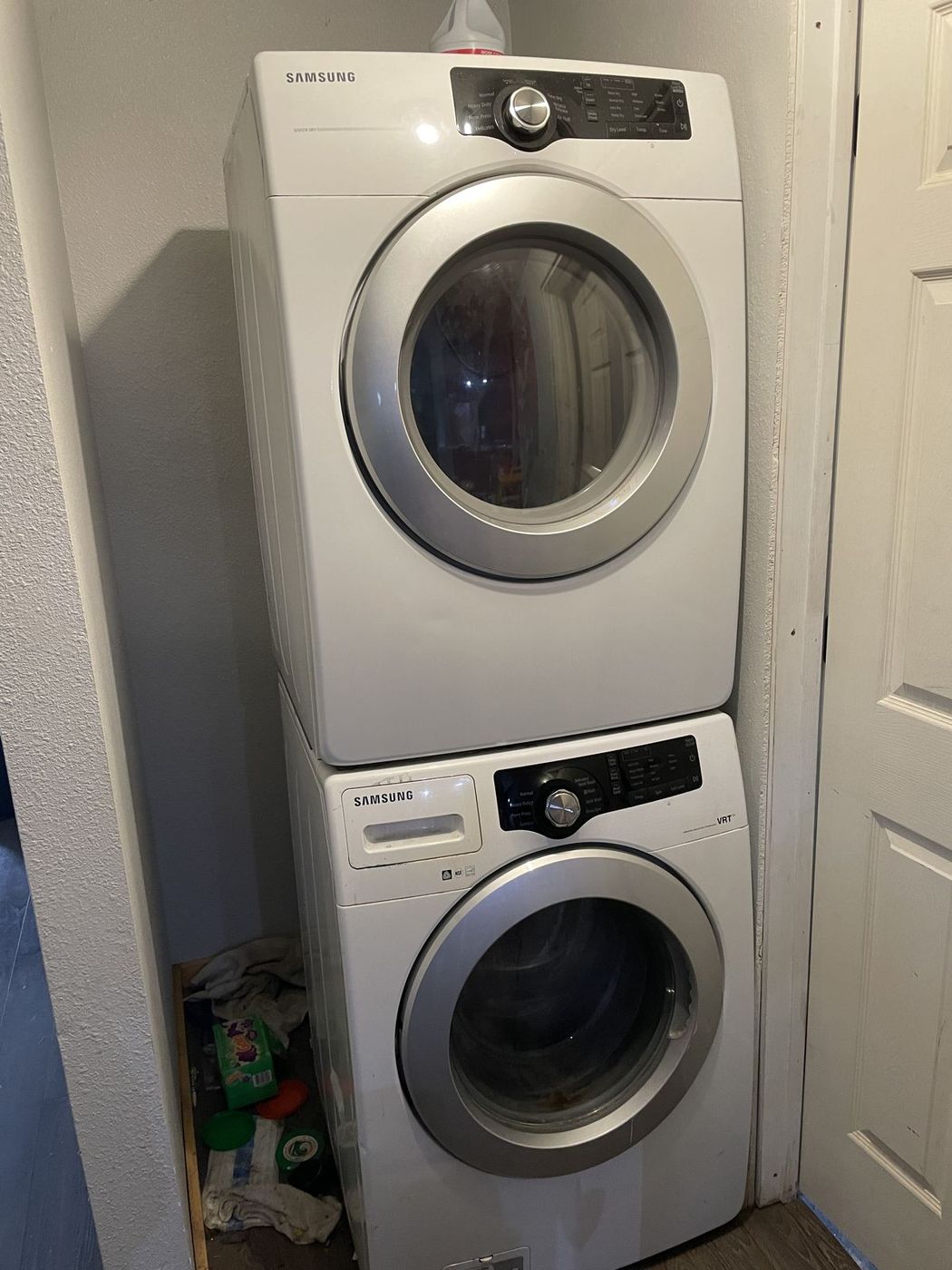
Laundry in a farming town carries more than lint. Mud, straw, seed husks and grit come off work clothes and end up in the drain pump filter, the pump impeller and the hose to the standpipe. Front-load washers, now common in Lynden's newer homes, are especially sensitive to that debris because their pumps sit low and run with less water. A good share of our Lynden washer calls start with a machine that stops mid-cycle with water still in the drum and an error on the display, and the cause is usually something that came in on a pair of coveralls.
We repair front-load and top-load washers and stacked washer-dryer units, replacing drain pumps, water inlet valves, door locks, lid switches, drive belts, suspension rods and springs, and control boards. Two jobs we do not take on in this area are tub-bearing replacement and spider-arm replacement. Both mean taking the machine down to the drum, and on most household washers the job approaches the price of a new machine. If the roar of a failed bearing or the clatter of a cracked spider is what we hear at the diagnostic, we say so right away and help you weigh what comes next.
You noticeWater left in the drum and an error at drain
Usual sourceDrain pump filter packed with grit, straw or a stray sock
Our repairOpen the filter, clear the pump, test it under load, replace it if the impeller is damaged
You noticeSlow fill, or the tub fills with cold only
Usual sourceSediment from a well clogging the inlet valve screens
Our repairClean or replace the valve, check both hoses, explain how to keep screens clear
You noticeWasher won't fill after a hard freeze
Usual sourceIce in the hoses or a cracked inlet valve in an unheated room
Our repairThaw and pressure-test, replace split hoses or the valve, check for leaks
You noticeMachine walks across the floor on spin
Usual sourceWorn suspension rods or springs, or heavy coveralls bunched on one side
Our repairReplace suspension parts and level the washer on its floor
You noticeDoor stays locked or the lid won't latch
Usual sourceFailed door lock, lid switch or wiring
Our repairTest the lock circuit and replace the faulty switch
In town, the washer fills with Nooksack River water from the city's treatment plant, which went into service in 2015 and turns a muddy river into clean tap water. By the time it reaches your laundry room it is clear, and the city has not published a hardness figure, so we do not assume scale. Out on well water the story changes. Sand and silt reach the inlet screens at the back of the washer, and we often find them half blocked. If your fill has slowed gradually over months, that is the first place we look. In town, a slow fill more often points to a kinked hose behind the machine or a valve that is starting to fail, and we check both before naming a part.
Lynden was among the Whatcom towns that took the brunt of the November 2021 floods, though the town's flood exposure lies mostly in the rural lowlands rather than its core. Washers that sat in floodwater and were dried out and put back to work can run for a while before a corroded motor connector, pump or control board gives out. If yours went through that flood, mention it when you book; it changes what we test first.
Then there is the outflow. Many farmhouses keep the laundry in a mudroom, utility porch or attached garage, and a January cold snap with record single-digit lows can freeze water standing in the inlet valve and hoses. A frozen valve may split without leaking until the next fill. Leaving the laundry-room door open to the house during a deep freeze helps, and so does shutting the washer's supply valves if the room is unheated.
Lynden washers are priced at the machine, since the same drain pump, lid switch or door lock can be priced far apart from one make or parts source to the next. Our technician meters the washer, finds the cause and writes one price, and nothing gets taken apart until you approve it. Approving rolls the diagnostic into the repair price; declining makes it your only bill. Every repair we finish is backed by a written warranty.
Tap a tab or let the folder turn on its own.
File 1 of 6
A drum that keeps its water, a lid lock stuck shut, a spin that rocks the floor: front-loaders, top-loaders and stacked towers alike.
Washing machines in Lynden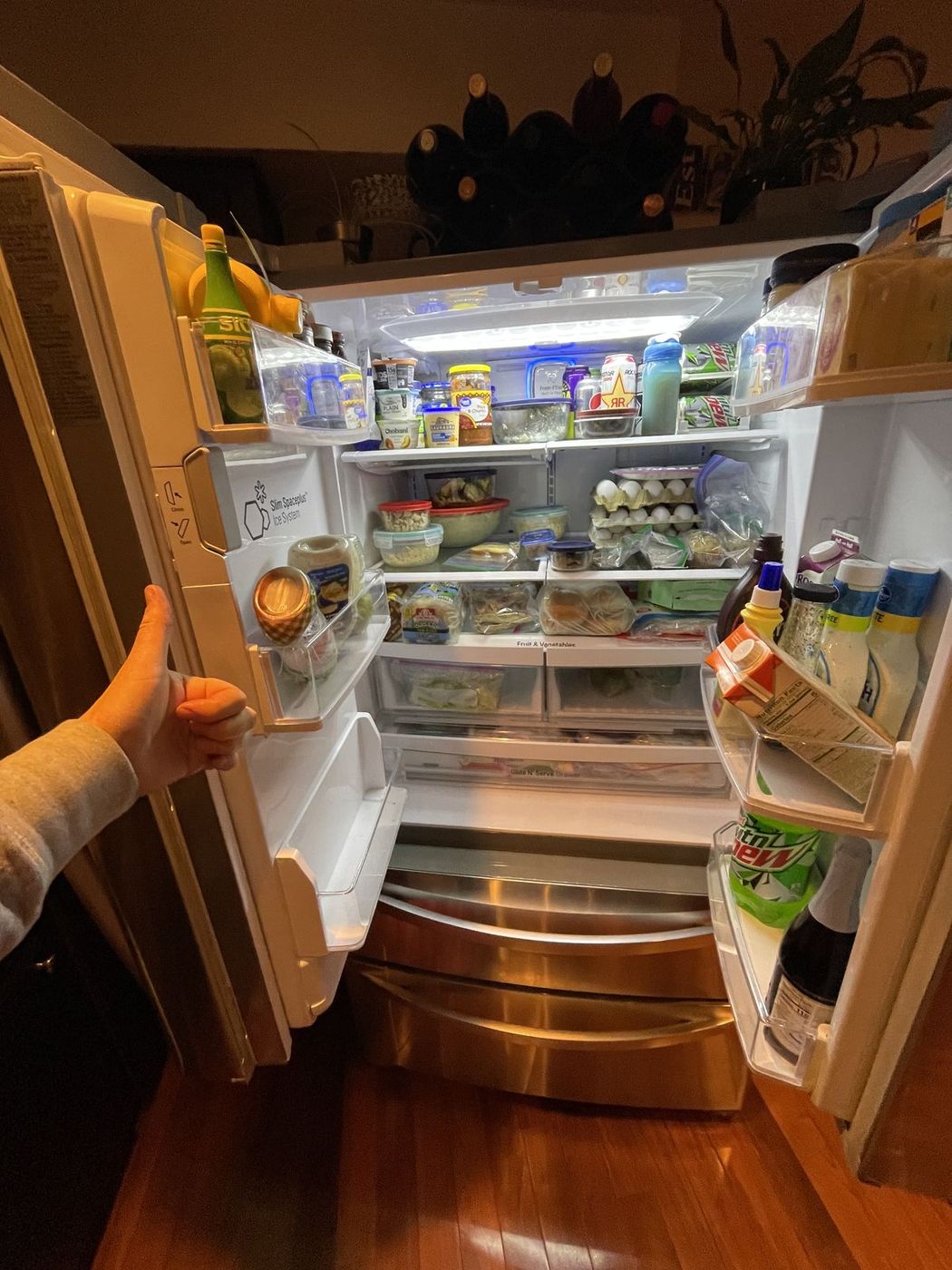
File 2 of 6
Warm shelves, frost across the rear panel, a garage freezer that quits in a cold snap: defrost parts, fans and relays get tested before we name a fix.
Refrigerators and freezers in Lynden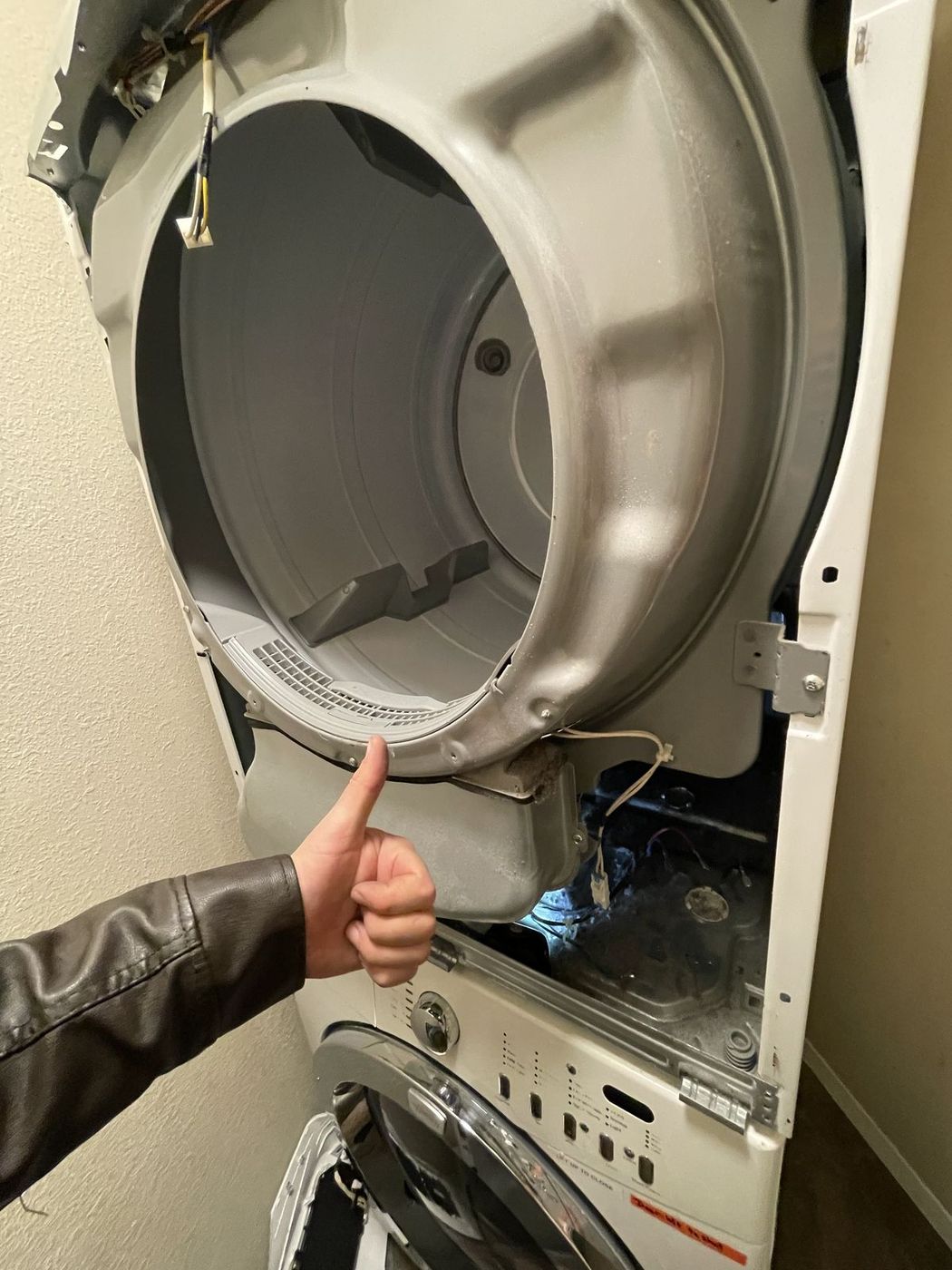
File 3 of 6
No heat, two cycles for one load, a squeal from the drum. Airflow at the vent hood gets checked on every dryer call.
Clothes dryers in Lynden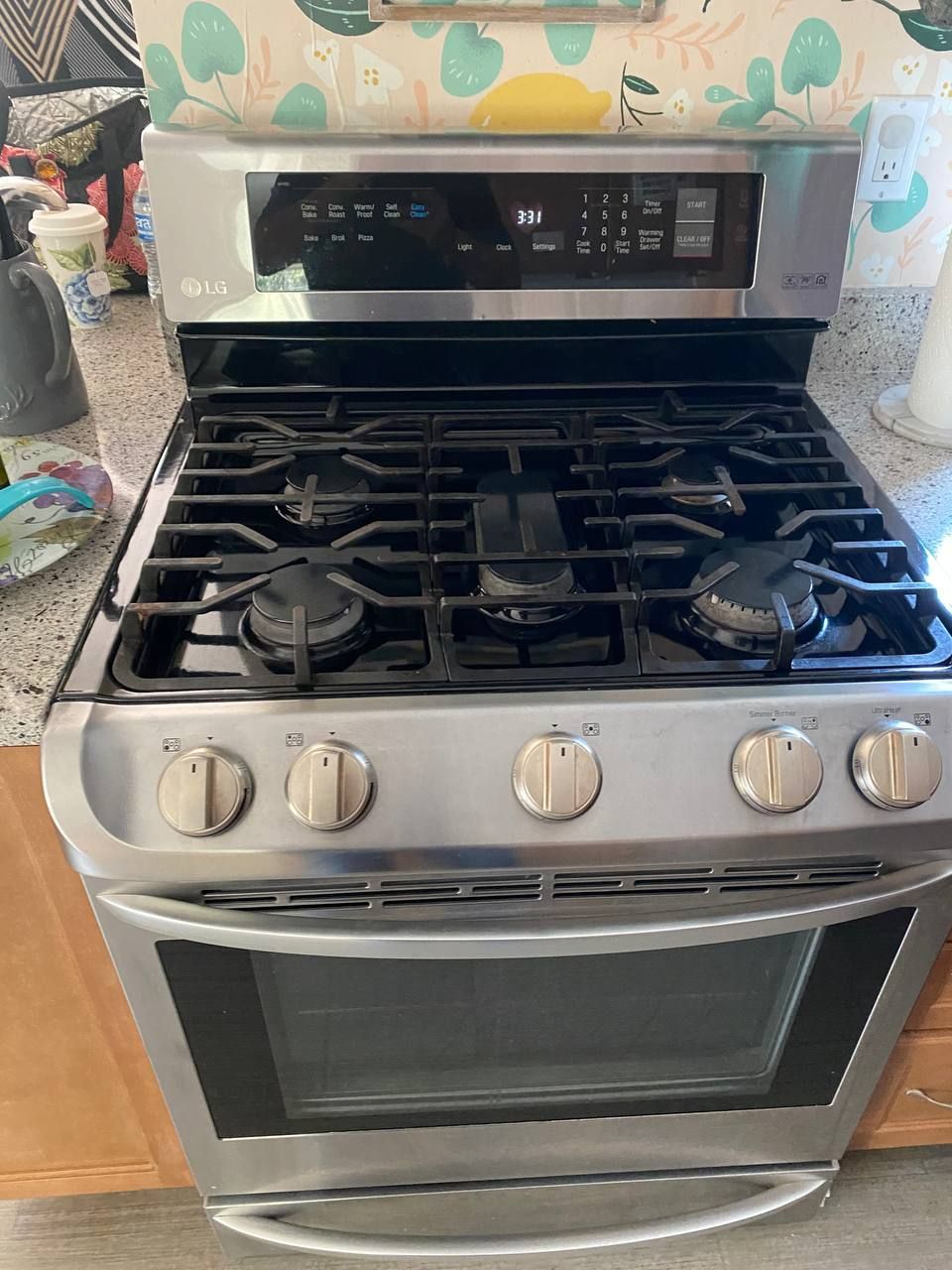
File 4 of 6
An oven element gone dark, burners clicking with no flame, a glass-top burner that will not shut off, on gas and electric ranges alike.
Ranges, ovens and cooktops in Lynden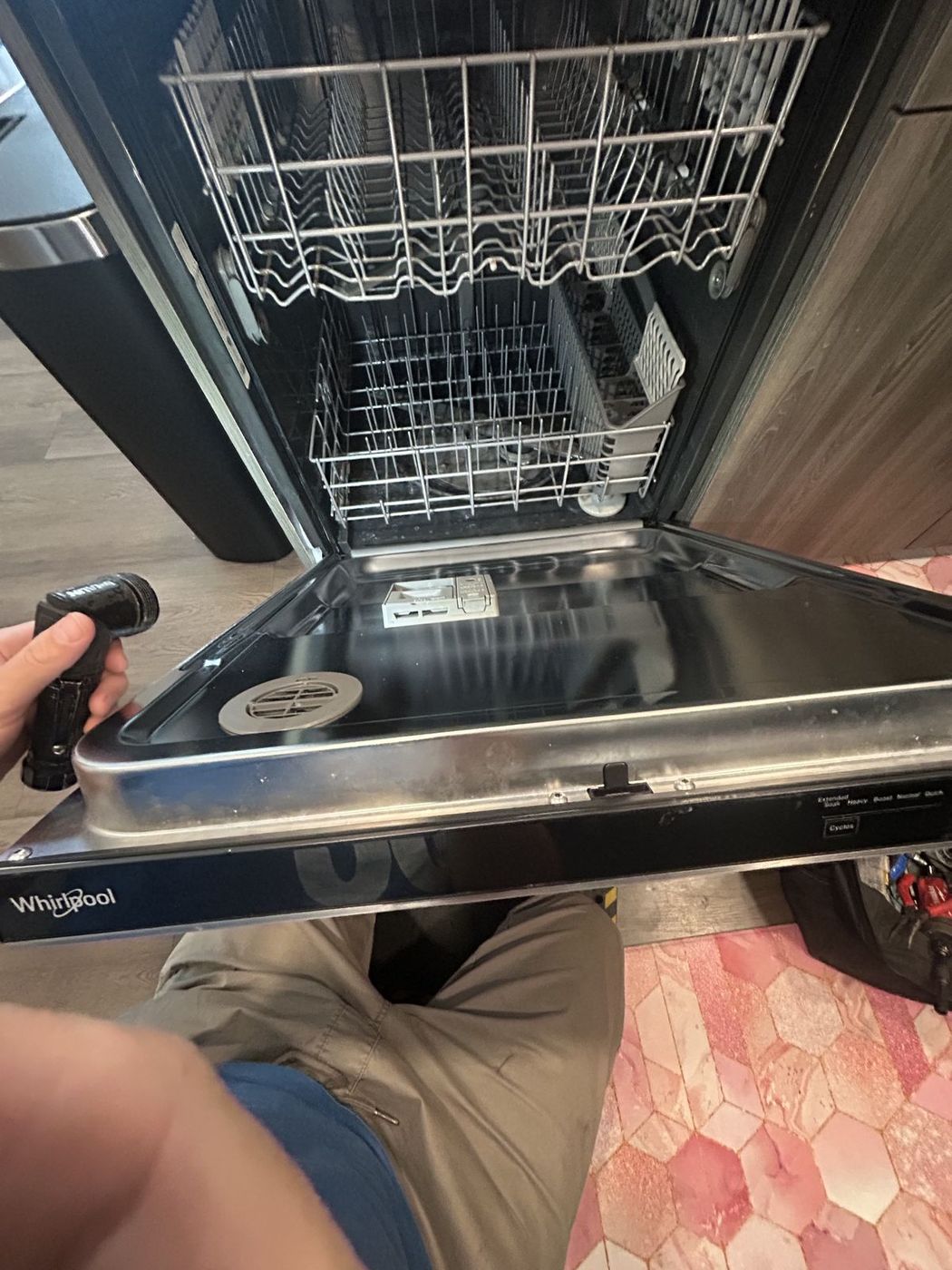
File 5 of 6
Grey water left behind, glasses turning cloudy, a drip by the toe kick, a panel that blinks and sulks.
Dishwashers in LyndenFile 6 of 6
Empty bins, thin hollow cubes, a fill line frozen in an outflow week: valve, line and module, tested in order.
Ice makers in LyndenFor a Lynden washer, the decision usually comes down to what failed and what the machine has been through. Pumps, inlet valves, lid switches, door locks, belts and suspension parts are moderate repairs that put a sound washer back in service for years, and we recommend them on most machines. A control board on a washer older than about ten years is a judgment call; we'll show you what the estimate says and what a replacement would bring. Tub bearings and spider arms are where we draw the line, since we don't do that work here and it rarely pays on a household machine. A washer that sat in the 2021 floodwater deserves extra caution: if the motor and wiring show corrosion, replacing it is often wiser. And for a farmhouse on a well, a whole-house sediment filter protects a repaired or new washer either way.
Grit, straw and small debris from barn or field clothes end up in the drain pump filter, usually behind a small door at the bottom front of the machine. When it clogs, the pump can't empty the drum and the washer stops with an error. You can drain and clean that filter yourself if your manual shows how. If it keeps happening, or the pump hums without moving water, we replace the pump.
A fill that has slowed over months, a washer that seems to take only cold water, or a little sand in the drum after a cycle are all signs. Grit is reaching the inlet screens at the back of the machine. At the diagnostic we check those screens and the valve, clean or replace what's clogged, and suggest filtration on the well side so the problem doesn't return.
No. In Whatcom County and north Skagit we don't replace tub bearings or spider arms. Both require stripping the washer to the drum, and on most household machines the work ends up nearly as expensive as buying a new washer. If the loud rumble during spin points to bearings, our technician will confirm it, explain what that means, and leave the choice to you.
When an outflow is forecast, close the washer's hot and cold supply valves and, if you can, open the door between the porch and the heated house. Avoid running a load while the room is below freezing. If the washer won't fill after the cold, or you see water under it, keep the valves shut and call; a cracked inlet valve or hose is a common result.
Yes. Plenty of machines in the Lynden lowlands were dried out and kept after the November 2021 floods. They often work for a while before corrosion catches up with a motor connection, pump or control board. We open the cabinet, check for rust and silt inside, and tell you whether the repair is sensible or the washer has reached the end of its useful life.
Set up the visit
Book online, or call (360) 525-9166 and tell us the model number printed inside the lid or door frame.
Flood recovery
Flood water reached your washer, dryer, fridge or range? What to do first for safety, which appliances are worth a check, and which ones should go.
Laundry
Musty front-loader in a damp Northwest home? Where the odor lives, why soft Bellingham water calls for less detergent, and when the door boot needs replacing.
Book a visit
Leave a few details and a dispatcher rings you back to agree on an arrival window. Someone picks up all week, and a request sent before mid-morning has the likeliest shot at a visit the same day.
Prefer to talk? (360) 525-9166 · Calls daily 8–7
State records
Both credentials are public state records. Tap a card for details, or look the numbers up yourself on L&I Verify.
Check our licenses yourself