File 1 of 6
Clothes dryers
No heat, two cycles for one load, a squeal from the drum. Airflow at the vent hood gets checked on every dryer call.
Clothes dryers in LyndenLynden · gas and electric dryers
Dryer repair in Lynden for long vents and windy winters
In Lynden, a dryer that needs three cycles for a load of jeans usually has a vent problem, a heating problem or both. We repair gas and electric dryers in town and on the farm roads, about 20–28 minutes from downtown Bellingham.
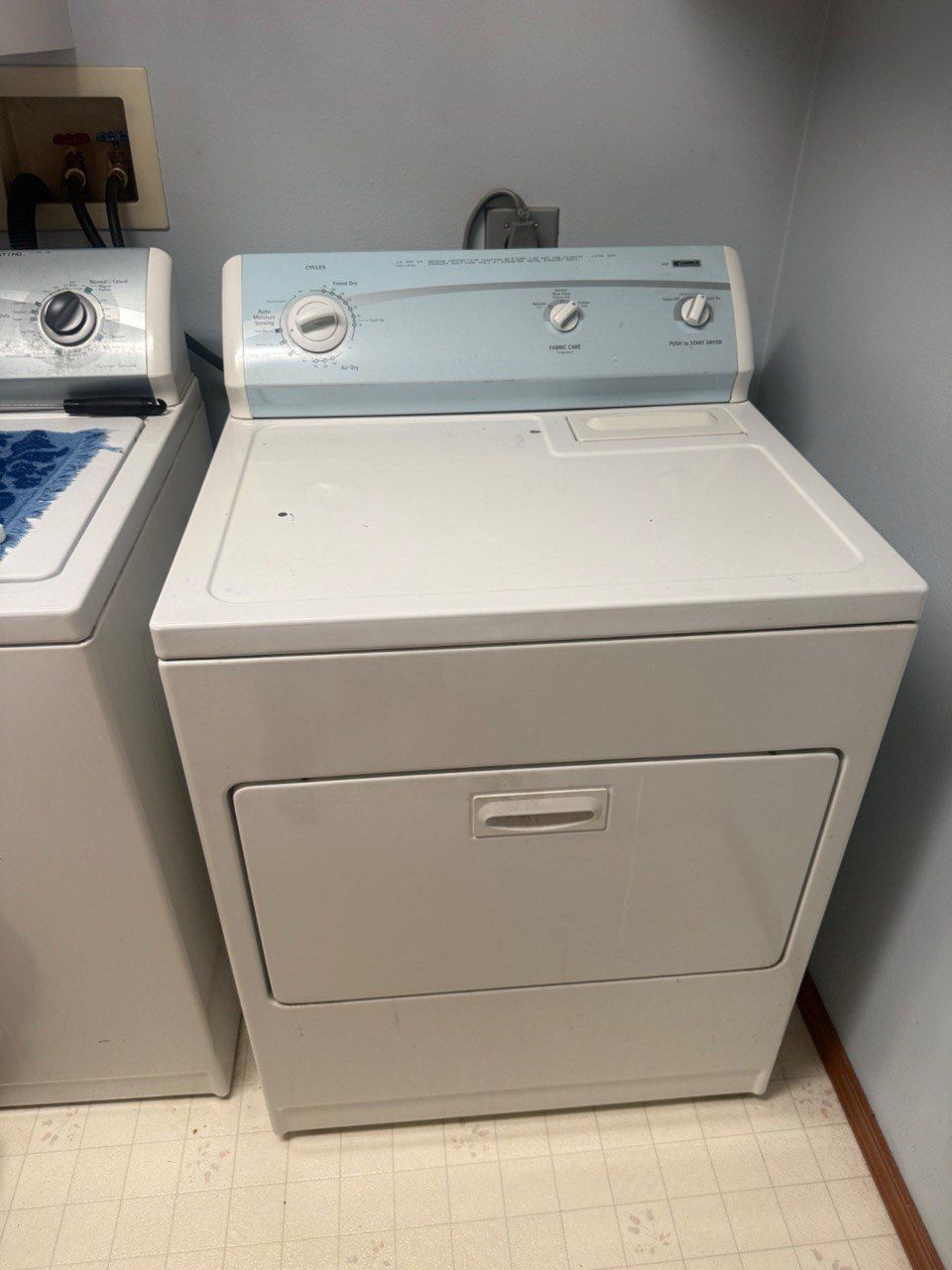
Rural houses around Lynden tend to have long dryer vents. The laundry ends up in the middle of the house or in a mudroom far from an outside wall, and the duct runs through a crawlspace or attic to reach daylight. Every elbow and every extra foot slows the airflow, lint settles in the low spots, and the dryer runs hotter and longer than it should. Eventually a thermal fuse or high-limit thermostat trips and the drum turns with no heat. That's the dryer complaint we hear most from the farm roads, and it comes back if the duct is ignored. We see it in town too, wherever a laundry room was moved during a remodel.
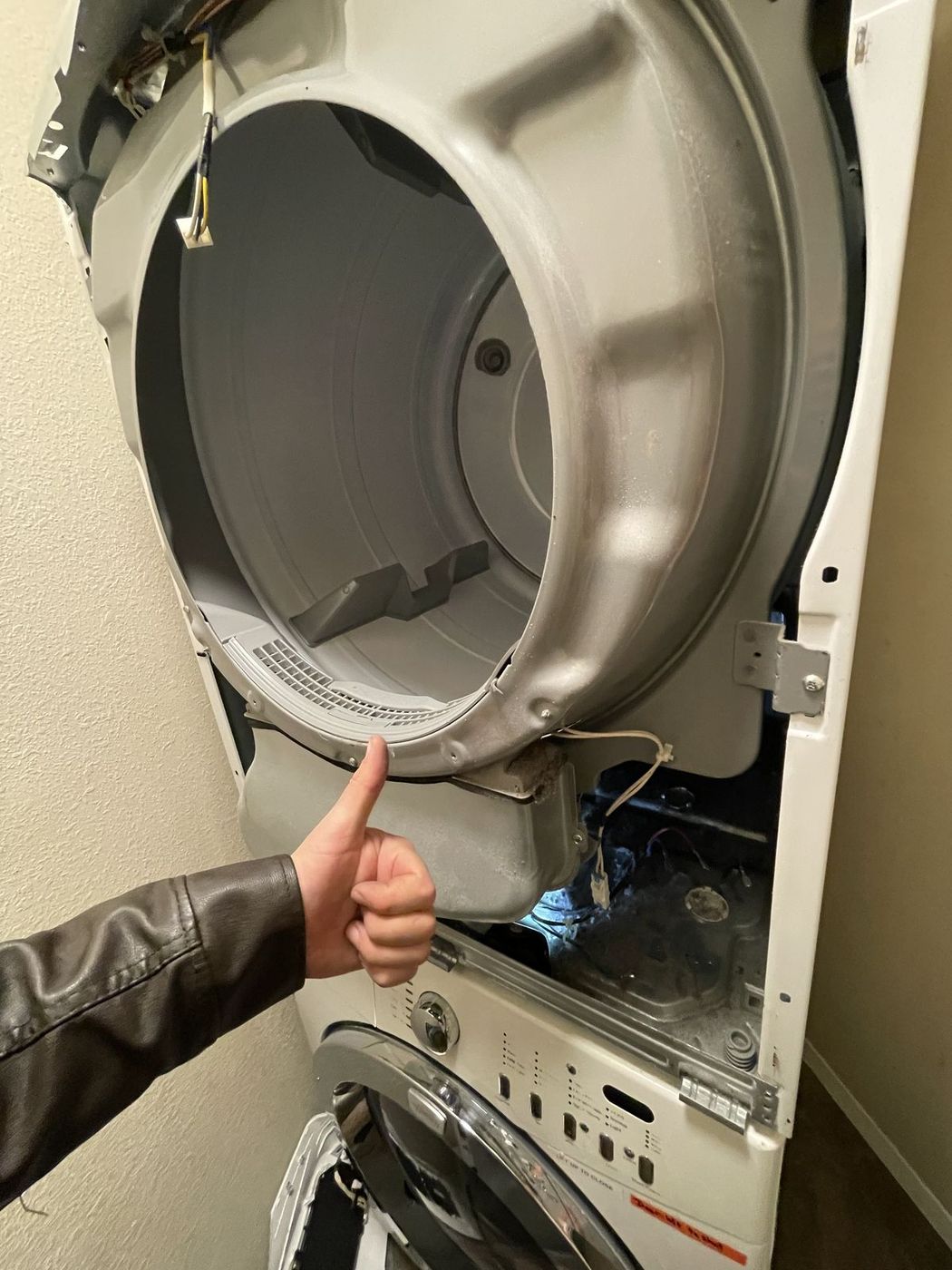
We service gas and electric dryers, including stacked laundry centers: igniters, flame sensors and gas valve coils on gas models, heating elements on electric ones, and thermal fuses, thermostats, belts, idler pulleys, drum rollers, door switches and control boards on both. We also check the vent from the dryer to the hood, because replacing a fuse without fixing the restriction just buys a short reprieve. Our technicians carry the common heating parts, so a no-heat dryer is often running again the same day. If you ever smell gas near a gas dryer, don't troubleshoot. Get everyone out and phone 911 from the street.
You noticeDrum turns, no heat at all
Usual sourceThermal fuse blown after a restricted vent, or a failed element or igniter
Our repairTest the heating circuit, replace the failed part, measure vent airflow before we leave
You noticeClothes need two or three runs
Usual sourceLint packed in a long duct or a crushed foil hose behind the machine
Our repairInspect the vent path, flag crushed sections, confirm airflow at the outside hood
You noticeCold draft or damp lint near the dryer in winter
Usual sourceOutside hood flap broken or jammed open by wind
Our repairCheck the hood, explain the fix, make sure the duct isn't packed with wet lint
You noticeGas dryer clicks, glows, then quits
Usual sourceWeak gas valve coils or a failing flame sensor
Our repairTest the coils and sensor, replace the faulty ones, watch a full ignition cycle
You noticeThumping or squealing while tumbling
Usual sourceWorn drum rollers, idler pulley or belt from heavy loads
Our repairReplace worn rollers, belt or pulley and check how the drum glides
The Fraser outflow is a dryer problem in a way most people don't expect. When northeast winds gusting past 50 mph hit the flatlands around Lynden, as they did in January 2024, they push straight into vent hoods on the north and east sides of houses. Flaps get stuck open, louvers crack, and cold air pours down the duct. Warm, moist exhaust then condenses inside the pipe, wet lint sticks to the walls, and the next week's drying times creep up. A quick look at the outside hood after a windstorm can save a service call, and a sturdier hood with a weighted damper holds up far better in that wind.
Farm laundry is the other factor. Heavy denim, canvas jackets and coveralls make big, wet loads that stress drum rollers and belts, and they shed fiber and field dust that collect faster than ordinary household lint. Clean the lint screen every load, not every few loads. On gas dryers, common where gas mains reach, a weak igniter or tired valve coils often show up first as a dryer that heats on some cycles and not on others.
In the lowland areas that took on water in November 2021, we also check for rust on the dryer's base, motor mount and gas valve, because floodwater leaves damage that can surface years later. Lynden's flood exposure lies mostly in those rural lowlands rather than the town core, and plenty of rural laundry rooms took on water. Manufactured homes, about 2.4 percent of Lynden's housing, add one more check: a dryer in a hallway closet needs a vent that actually reaches outside rather than ending under the floor, and we confirm that on every visit to one.
We fix gas and electric dryers in Lynden on our regular routes. One brand's heating element, gas valve or thermostat can be priced far apart from one make to the next, so the technician meters your dryer and writes one exact price, and you approve it before any repair begins. If you go ahead, the diagnostic is counted in that price; if not, it's the only charge.
Tap a tab or let the folder turn on its own.
File 1 of 6
No heat, two cycles for one load, a squeal from the drum. Airflow at the vent hood gets checked on every dryer call.
Clothes dryers in Lynden
File 2 of 6
Warm shelves, frost across the rear panel, a garage freezer that quits in a cold snap: defrost parts, fans and relays get tested before we name a fix.
Refrigerators and freezers in Lynden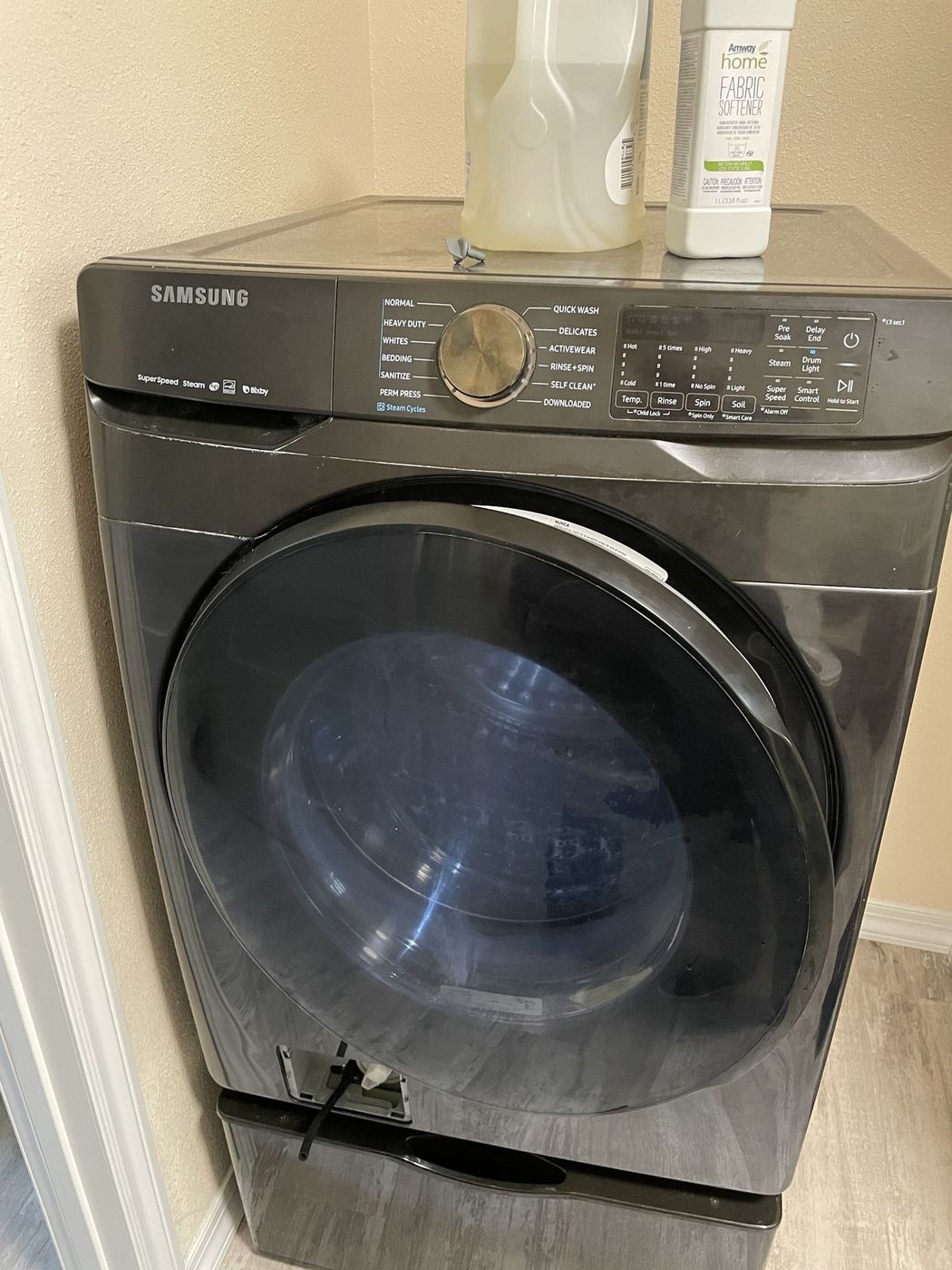
File 3 of 6
A drum that keeps its water, a lid lock stuck shut, a spin that rocks the floor: front-loaders, top-loaders and stacked towers alike.
Washing machines in Lynden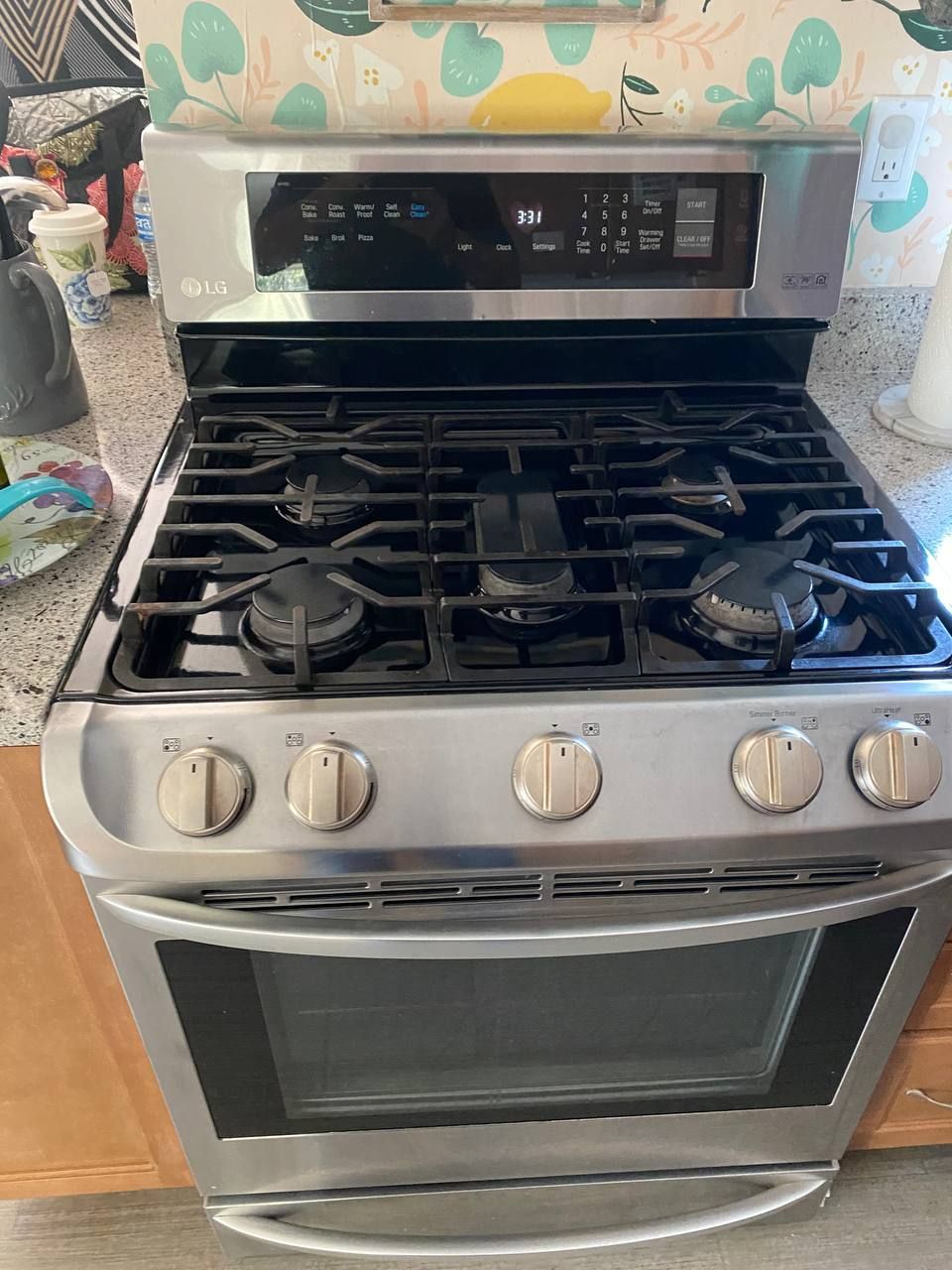
File 4 of 6
An oven element gone dark, burners clicking with no flame, a glass-top burner that will not shut off, on gas and electric ranges alike.
Ranges, ovens and cooktops in Lynden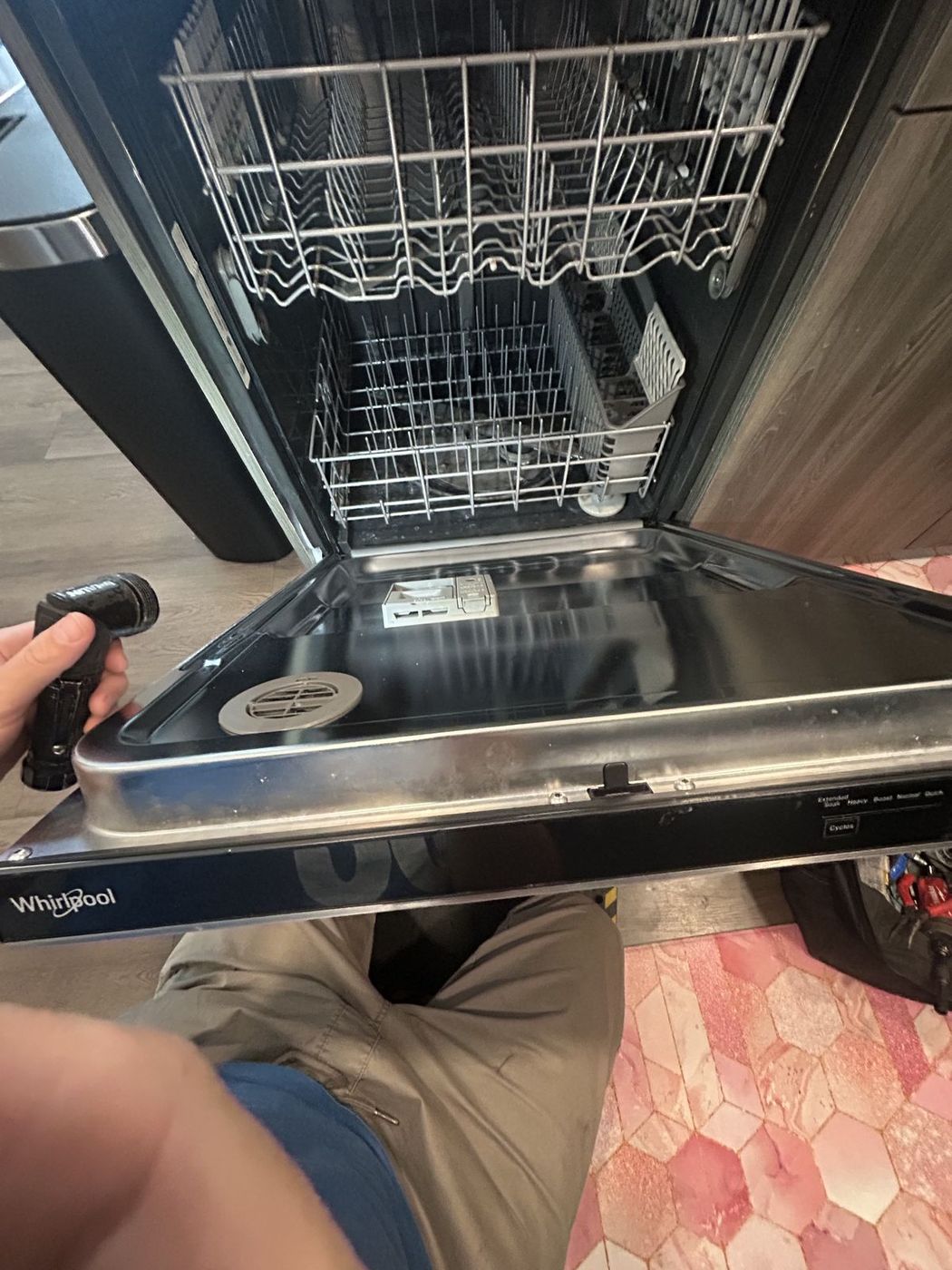
File 5 of 6
Grey water left behind, glasses turning cloudy, a drip by the toe kick, a panel that blinks and sulks.
Dishwashers in Lynden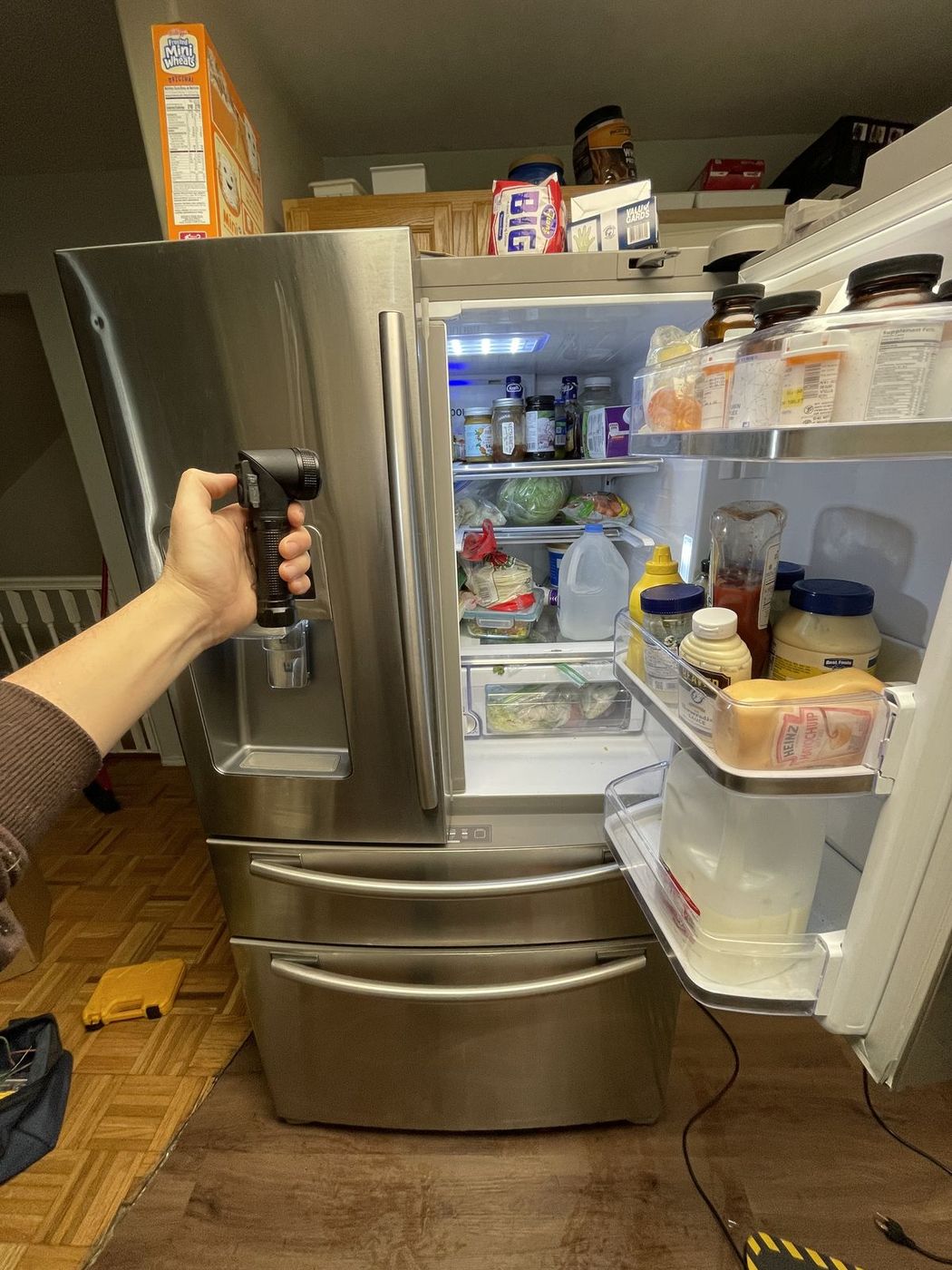
File 6 of 6
Empty bins, thin hollow cubes, a fill line frozen in an outflow week: valve, line and module, tested in order.
Ice makers in LyndenDryers are simple machines, which is good news for a repair decision. A blown thermal fuse, a burned-out element, a worn igniter, a stretched belt or flat-spotted rollers are all modest repairs that make sense on almost any dryer whose drum and cabinet are sound. The cases where we'd lean toward replacement are fewer: a rusted-through drum, a control board failure on an older machine where the board is scarce, or a gas dryer that sat in floodwater and has corrosion in the gas valve and burner. Before deciding either way, think about the vent. A new dryer on a crushed, lint-choked duct will trip its own safety devices within months, so if your house has a long run through the crawlspace, the duct deserves attention whichever way you go. We'll tell you what we see and leave the call to you.
Each manufacturer lists a maximum length, and it shrinks with every elbow, so check the installation manual for your model's figure. Long runs through crawlspaces and attics are common out here, and they often exceed what the dryer was built for. When that happens, lint builds up and the safety fuse trips. We measure airflow during the diagnostic and tell you if the vent is the root cause.
Treat any gas smell as serious. Don't operate switches or the dryer; get everyone out and phone 911 from the street. Once the gas utility has checked the line and says it's safe, we can diagnose the dryer itself, including the gas valve, igniter and burner assembly, and tell you what failed.
Yes, especially in winter. A flap jammed open lets cold, damp air into the duct, and moisture from the dryer exhaust condenses inside, making lint stick and the duct clog faster. Birds and rodents can also get in. From the ground, see whether the flap opens when the dryer runs and closes when it stops. If drying times have already climbed, we check the full vent run at the diagnostic.
Yes. Stacked laundry centers turn up in Lynden's townhomes and some newer rentals. We work on both halves, and because the dryer and washer share a cabinet and often a control, we test both before naming a part. Tell us the model number when you book, by phone or in the form, so we know which layout to expect.
Some do, but floodwater leaves silt and moisture in places you can't see: the motor, the gas valve on gas models, terminal blocks and wiring. We open the cabinet and look for corrosion before quoting any repair. If the damage is spread through the machine, we'll say replacement is the better use of your money rather than fixing one part at a time.
Set up the visit
Call (360) 525-9166 about a Lynden dryer that won't heat, or book online.
Dryer venting
Long dryer vent runs, crushed hoses and rooftop exits in condos and older homes: how they burn out thermal fuses, slow drying and raise fire risk.
Book a visit
Leave a few details and a dispatcher rings you back to agree on an arrival window. Someone picks up all week, and a request sent before mid-morning has the likeliest shot at a visit the same day.
Prefer to talk? (360) 525-9166 · Calls daily 8–7
State records
Both credentials are public state records. Tap a card for details, or look the numbers up yourself on L&I Verify.
Check our licenses yourself