File 1 of 6
Clothes dryers
No heat, two cycles for one load, a squeal from the drum. Airflow at the vent hood gets checked on every dryer call.
Clothes dryers in EversonGas and electric dryers · Everson
Dryer repair in Everson and Nooksack
Everson dryers fail from lint, worn rollers and blown thermal fuses, like dryers anywhere, and from one local cause: floodwater in the cabinet and mud in the vent. We repair gas and electric models and check the vent during every diagnostic.
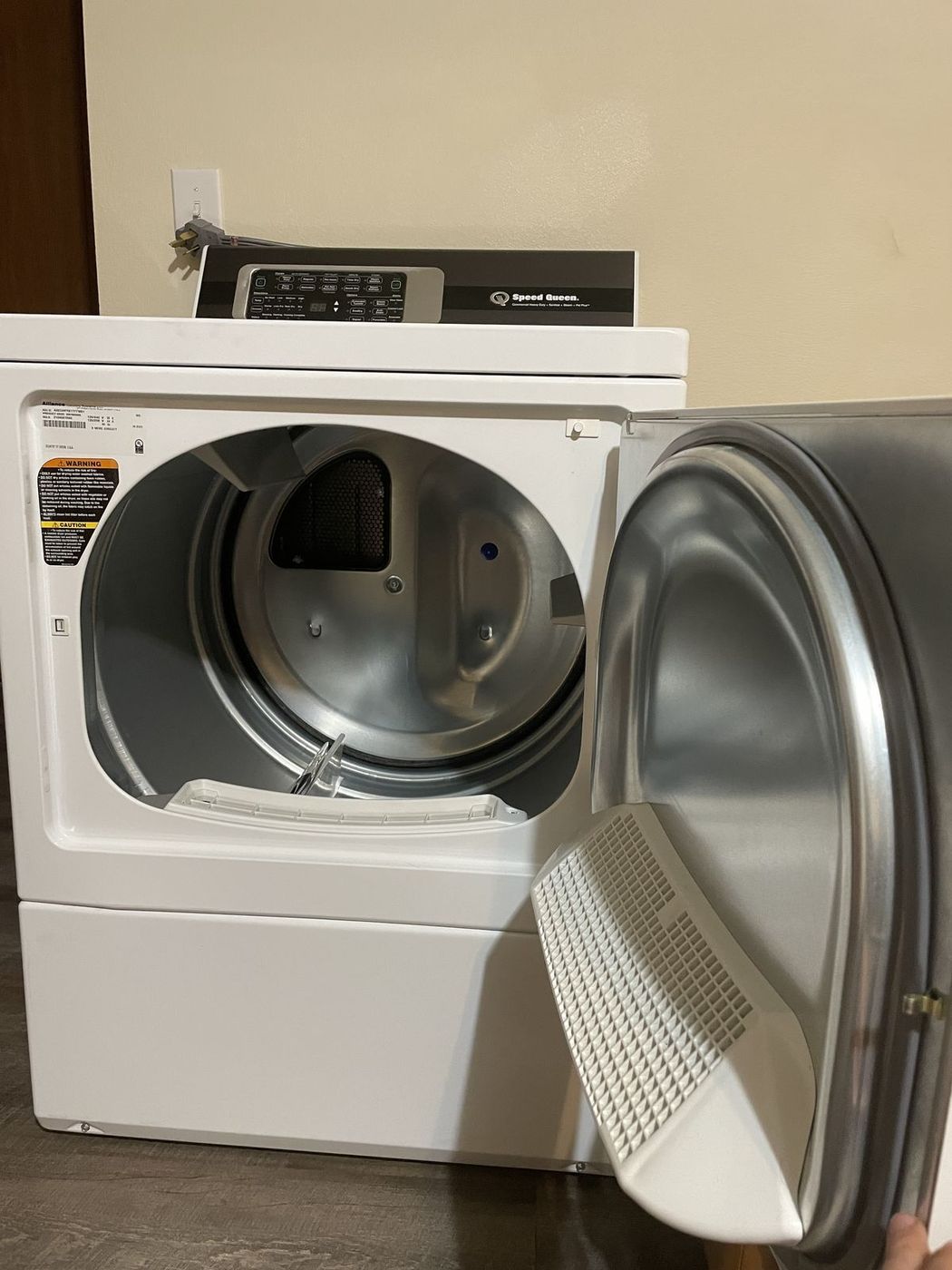
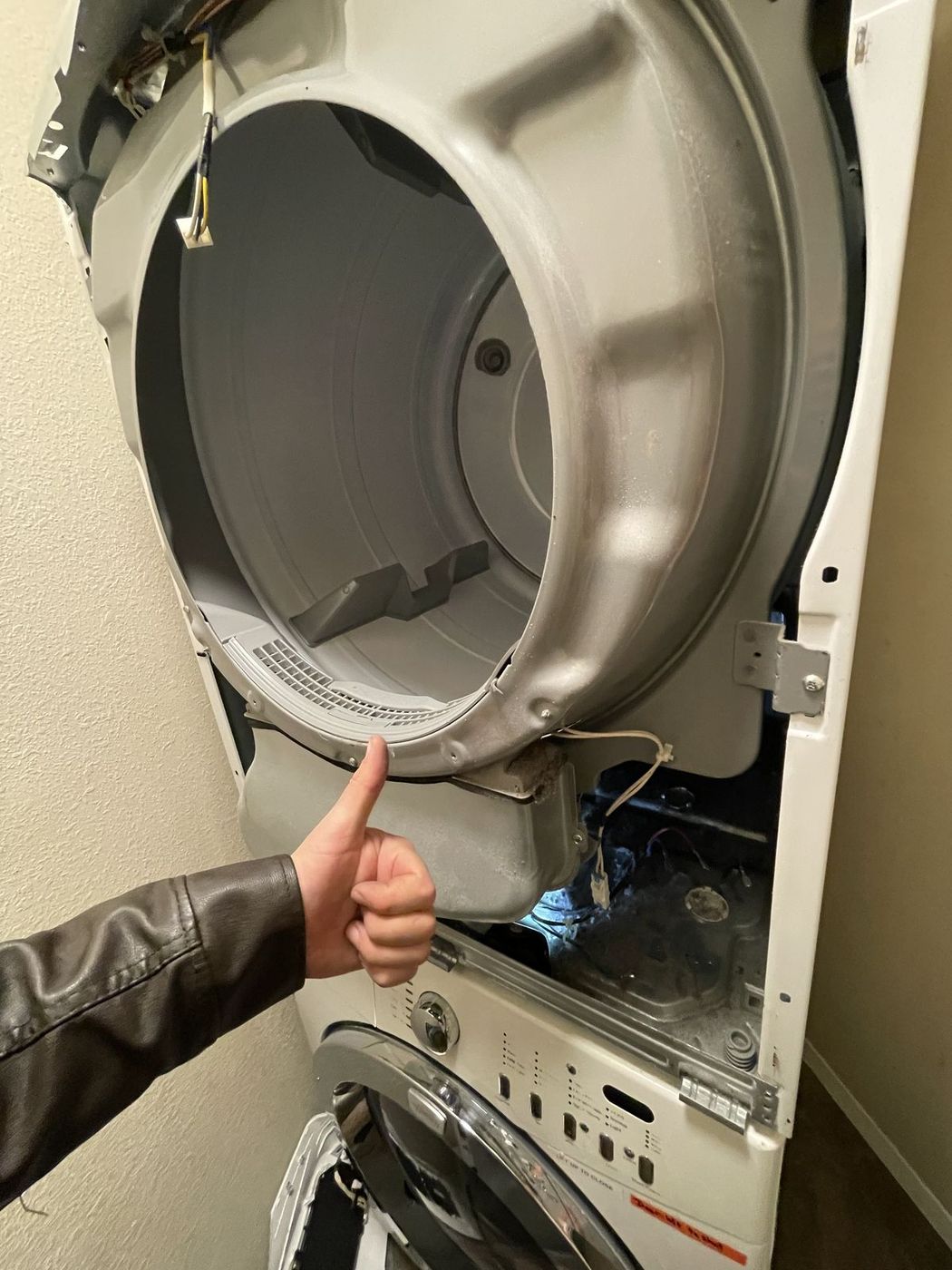
A dryer is simple inside: a drum, a belt, a motor, a heat source, and a set of thermostats and fuses that cut the heat when air stops moving. When airflow chokes, those safety parts do their job and the dryer stops heating. Most no-heat calls start there, which is why replacing a fuse without finding the restriction behind it only buys a few loads. Electric dryers need both legs of a 240-volt circuit to heat, so a dryer that tumbles cold can also mean half of its double breaker has tripped; resetting that breaker is a safe first check.
In Everson and Nooksack, airflow problems have a local cause. When the Nooksack overflowed in November 2021 and December 2025, water entered laundry rooms and the low exterior vent hoods along with them. A vent that held river water dries into a crust of silt, and a dryer pushing against it overheats, trips its thermal fuse or runs two hours to dry a load of towels. We check the full vent run, not just the dryer, because a new fuse in a blocked system blows again. Gas dryers get one extra check: we confirm the burner lights cleanly and that the flame sensor tells the valve when to stop.
You noticeDrum turns but no heat
Usual sourceThermal fuse, heating element or gas igniter failed, often because of a blocked vent
Our repairWe test each heat-circuit part and inspect the vent before replacing anything
You noticeLoads take two or three cycles
Usual sourceRestricted vent, crushed foil duct or a weak heating element
Our repairWe check airflow at the hood, clear the duct or recommend replacing it, then test the heat
You noticeThumping or squealing as it turns
Usual sourceWorn drum rollers, idler pulley or belt
Our repairWe replace worn rollers and the belt together so the drum runs quietly
You noticeGas dryer clicks but never lights
Usual sourceWeak igniter or failing gas valve coils
Our repairWe test the igniter and coils and replace what has failed
You noticeWon't start at all after the flood
Usual sourceWet door switch, start switch, motor or control board
Our repairWe test the parts the water reached and replace them, or tell you it's time for a new dryer
You noticeBurning or hot-dust smell
Usual sourceLint packed around the heating element or burner
Our repairWe clean the cabinet interior and check the thermostats before it runs again
If your dryer stood in water, keep it off and unplugged. With a gas dryer, don't try to restart it at all: floodwater can reach the gas valve, the burner assembly and the flame sensor, and those parts need inspection before gas flows through them again. If a gas smell shows up, get everyone out and phone 911 from the street. We inspect flood-exposed gas dryers and tell you which parts can be cleaned and which need replacing.
The vent deserves its own check. Dryer vents that run through a crawlspace or exit low on a wall sit exactly where floodwater collects. Silt dries hard inside ribbed foil or vinyl duct, and the duct can sag or collapse when it fills with water and grows heavy. Replacing that section with rigid or semi-rigid metal duct often restores normal drying times. Your lint screen tells you something too: if it comes out damp, or the cabinet feels hot while clothes stay wet, the air isn't leaving the house. Check the hood flap from outside too; a flap glued shut with dried mud blocks the run as surely as a crushed duct.
Away from the river, Nooksack's newer houses bring a different set of dryers: steam models, sensor-dry controls, and in some newer homes a laundry room upstairs. Moisture sensors on these machines get coated with fabric softener residue, which makes the dryer stop early with clothes still damp. Wiping the two metal strips inside the drum, just below the door opening, with a little rubbing alcohol often fixes that without a visit. If clothes still come out damp after that, the sensor wiring or the control may be at fault, and both are quick to test on a visit.
Gas or electric, the same element, igniter or motor can be priced far apart from one make or parts source to the next. So the technician meters your dryer and writes one price; nothing starts before you approve it, and then the diagnostic is part of it.
Tap a tab or let the folder turn on its own.
File 1 of 6
No heat, two cycles for one load, a squeal from the drum. Airflow at the vent hood gets checked on every dryer call.
Clothes dryers in Everson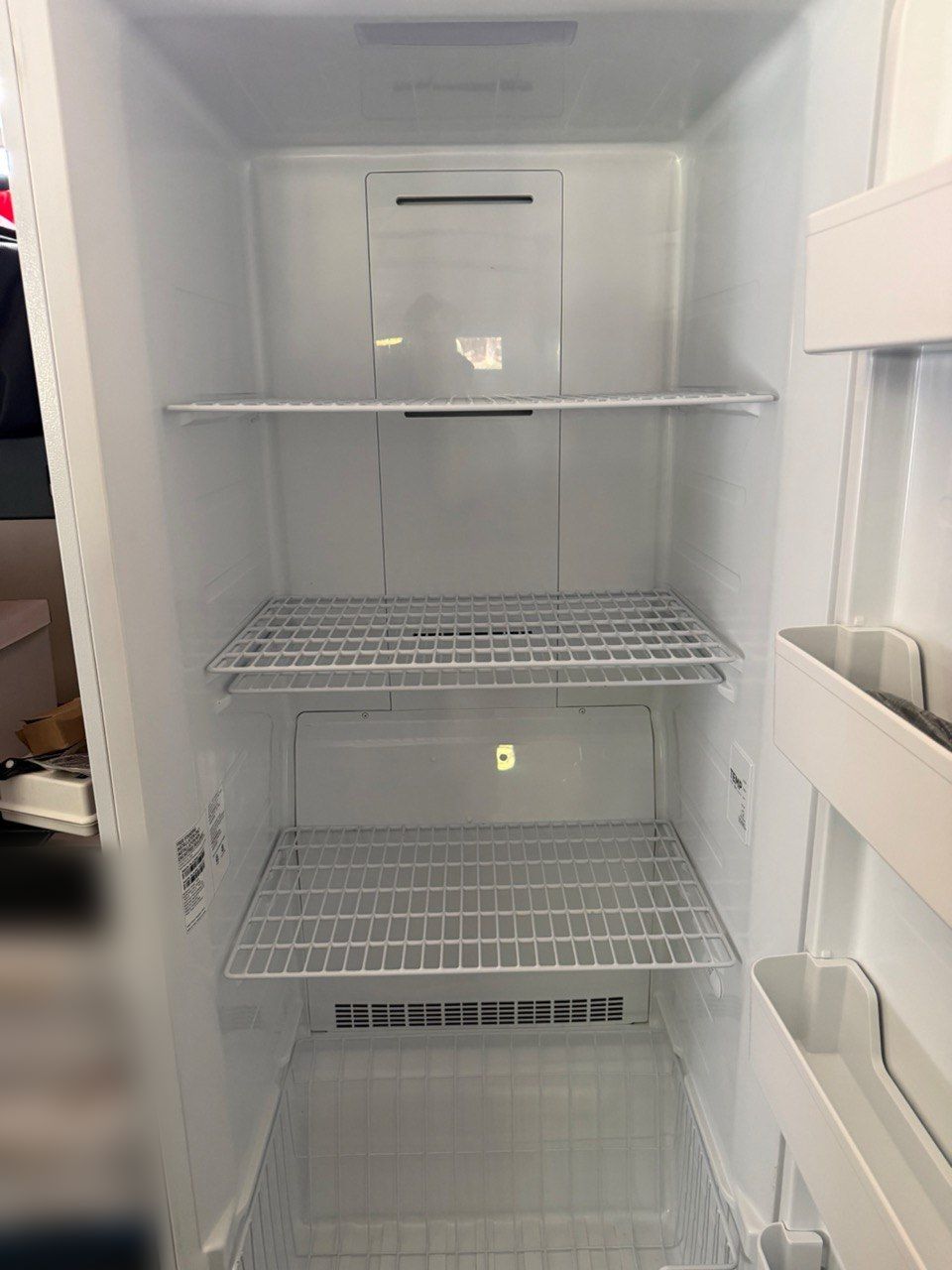
File 2 of 6
Warm shelves, frost across the rear panel, a garage freezer that quits in a cold snap: defrost parts, fans and relays get tested before we name a fix.
Refrigerators and freezers in Everson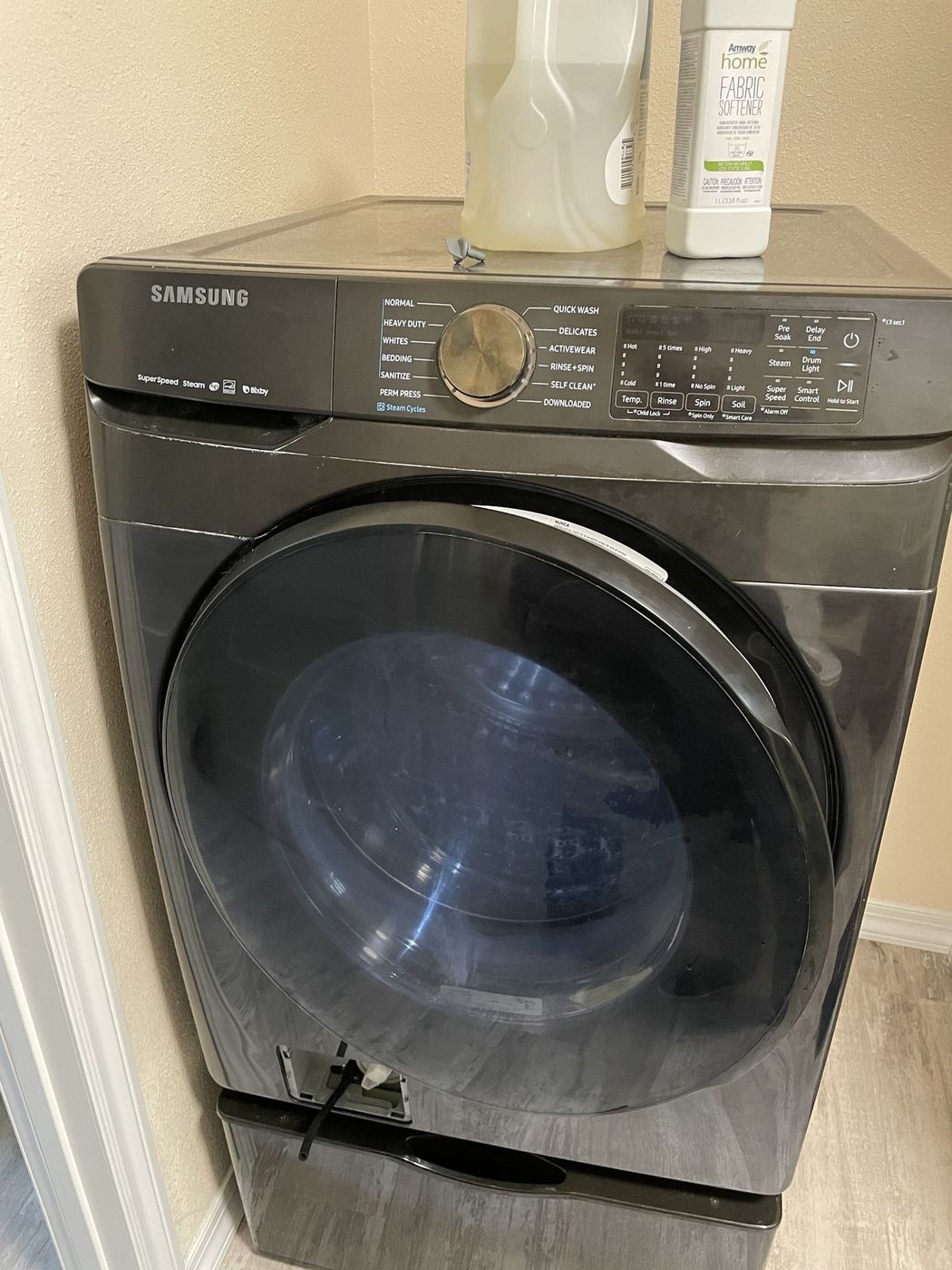
File 3 of 6
A drum that keeps its water, a lid lock stuck shut, a spin that rocks the floor: front-loaders, top-loaders and stacked towers alike.
Washing machines in Everson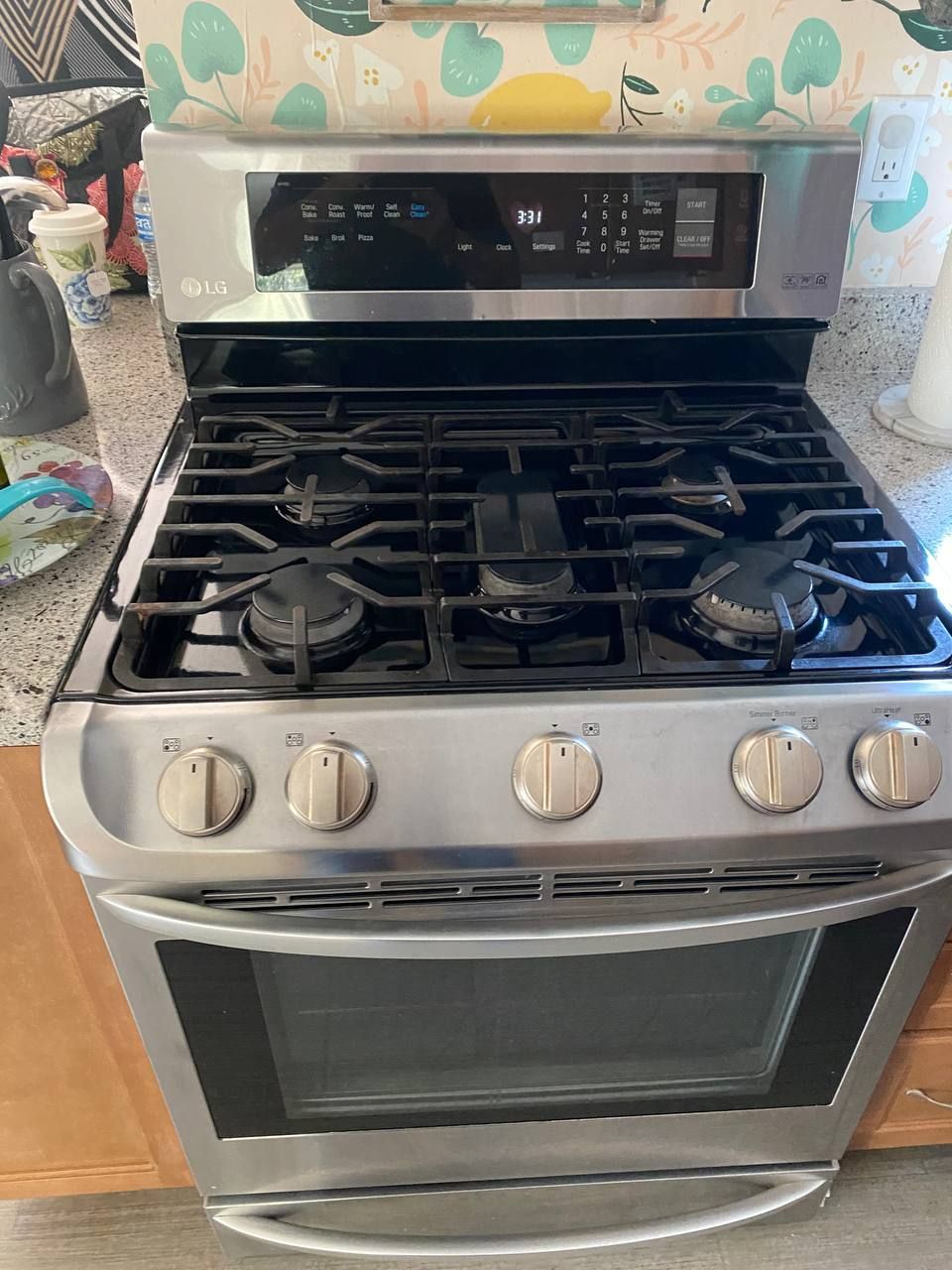
File 4 of 6
An oven element gone dark, burners clicking with no flame, a glass-top burner that will not shut off, on gas and electric ranges alike.
Ranges, ovens and cooktops in Everson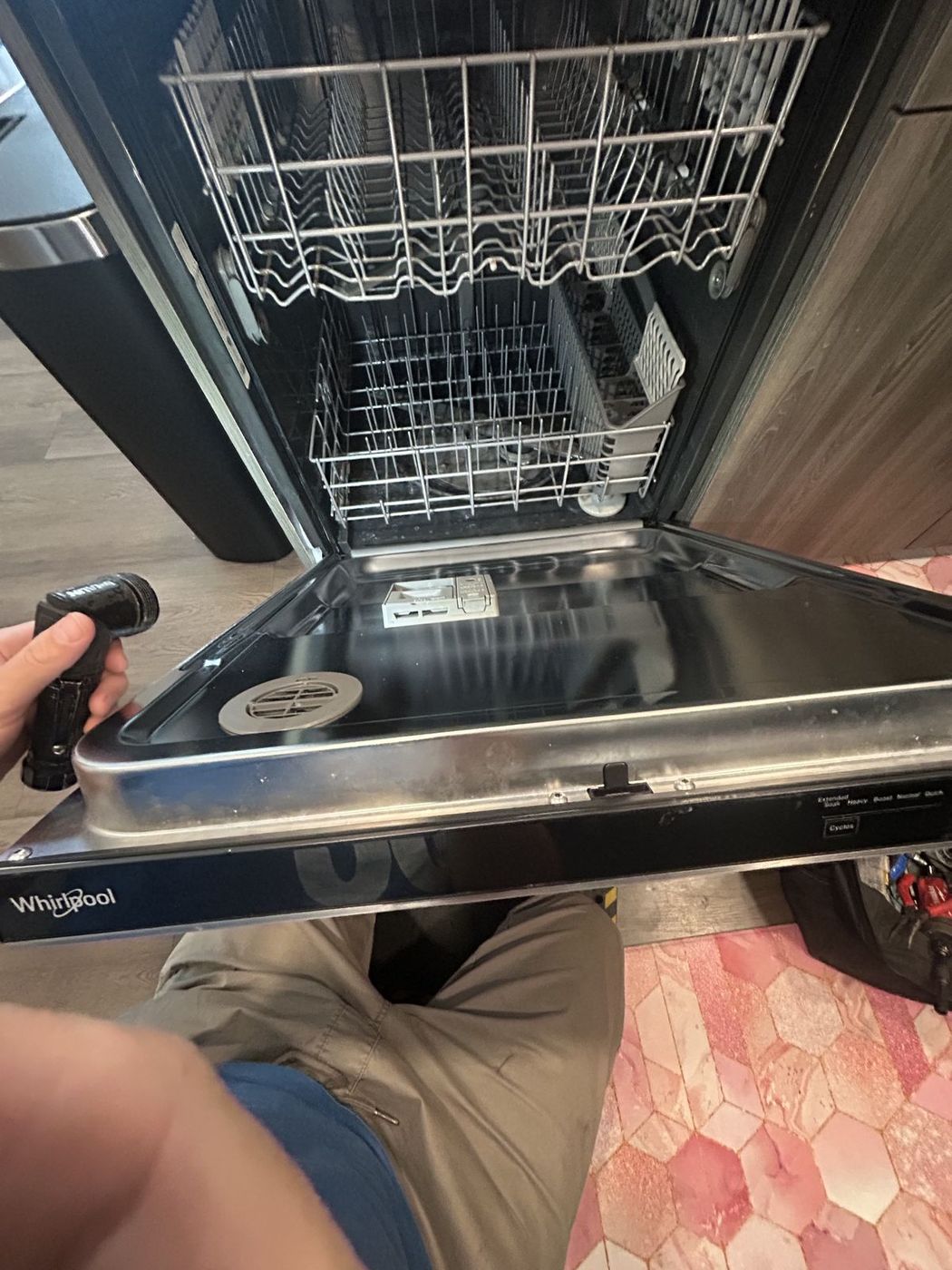
File 5 of 6
Grey water left behind, glasses turning cloudy, a drip by the toe kick, a panel that blinks and sulks.
Dishwashers in Everson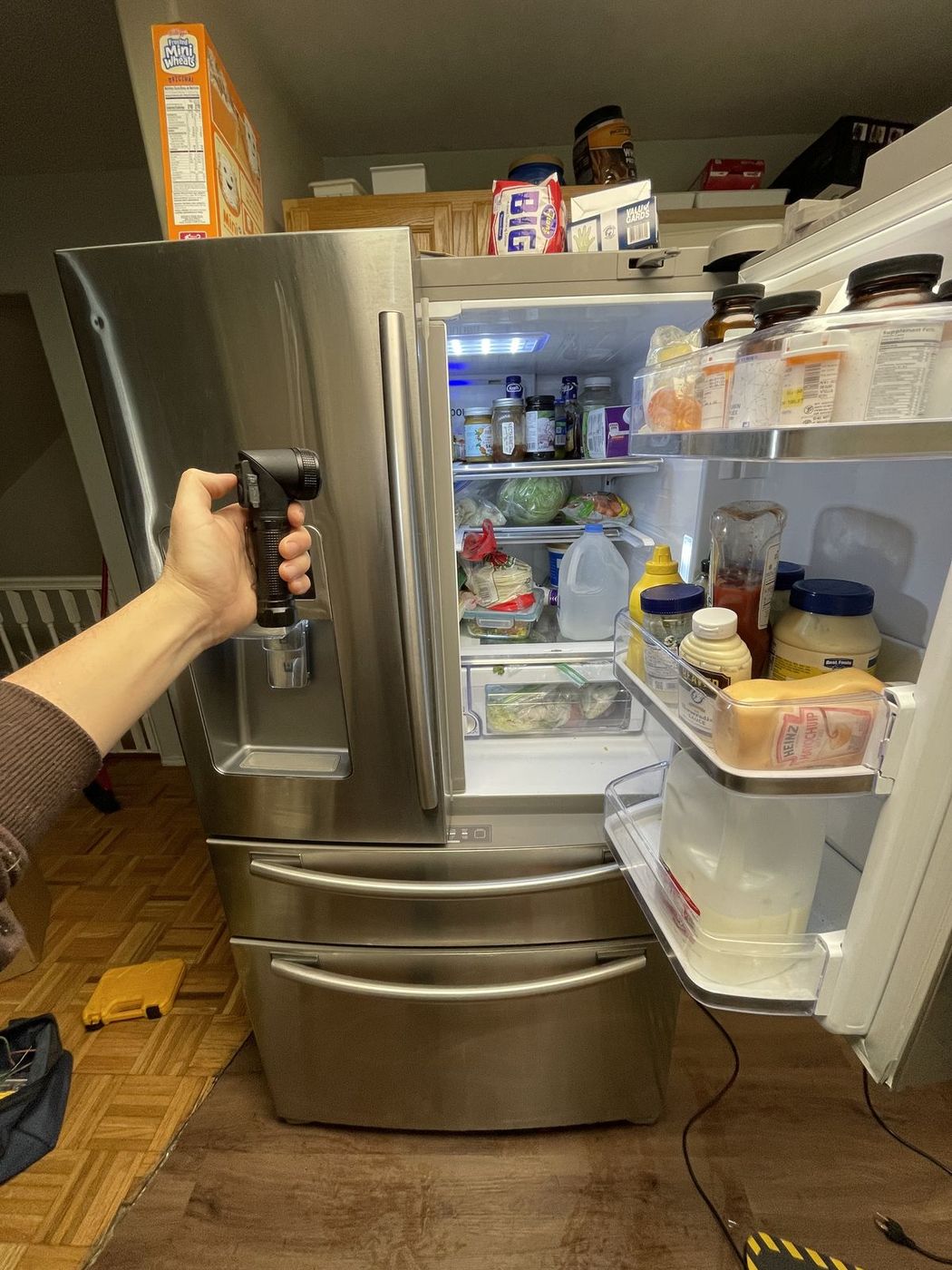
File 6 of 6
Empty bins, thin hollow cubes, a fill line frozen in an outflow week: valve, line and module, tested in order.
Ice makers in EversonA dryer is one of the more repairable appliances in a house, and most no-heat or noisy-drum problems cost far less to fix than a new machine. After a flood, the deciding question is where the water stopped. If it stayed below the drum and the motor, cleaning, a new thermal fuse and a fresh vent run are often enough. If the motor, the control board and, on a gas model, the gas valve all sat in water, replacement starts to make more sense, especially on a dryer past ten years. Electric dryers bought after 2021 deserve a careful look before you give up on them, since the element and motor are standard parts. If you do replace, leave the old vent out of the plan and start the new dryer on clean, rigid duct; a silted vent will shorten the life of a new machine just as it did the old one.
Not until it has been inspected. Floodwater can get into the gas valve, burner tube and igniter, and silt in those parts can cause poor ignition or a lazy flame. Leave the dryer off. We check flood-exposed gas dryers and replace parts that can't be trusted. If you notice a gas smell at any point, get outside and call 911.
With the dryer running, go out to the vent hood. You should feel a strong, warm flow and see the flap open. A weak puff, a flap that barely moves, or lint packed around the hood means a restriction. Also feel the top of the dryer during a cycle; if it is very hot while clothes stay wet, air isn't getting out. Clean the lint screen every load.
That pattern usually points to a motor overheating, a failing high-limit thermostat, or a vent so blocked that the cabinet heats up fast. After a flood, a motor with silt in its bearings can also run hot and trip its internal protector. We test the motor, thermostats and vent airflow on the visit and hand you the price on paper for the fix.
Yes. Stacked laundry centers and dryers stacked on front-load washers are part of our work. Stacked units take a little more time to open up, and in a tight closet we may need to slide the stack forward to reach the vent connection. Clear a path to the closet before we arrive, and mention the stacked setup in the booking form.
Yes, both on one trip. The first appliance gets the standard diagnostic. Each repair gets its own written estimate, so you can approve one and not the other.
Set up the visit
For dryer repair in Everson or Nooksack, call (360) 525-9166 or book through our online form.
Dryer venting
Long dryer vent runs, crushed hoses and rooftop exits in condos and older homes: how they burn out thermal fuses, slow drying and raise fire risk.
Book a visit
Leave a few details and a dispatcher rings you back to agree on an arrival window. Someone picks up all week, and a request sent before mid-morning has the likeliest shot at a visit the same day.
Prefer to talk? (360) 525-9166 · Calls daily 8–7
State records
Both credentials are public state records. Tap a card for details, or look the numbers up yourself on L&I Verify.
Check our licenses yourself