File 1 of 6
Clothes dryers
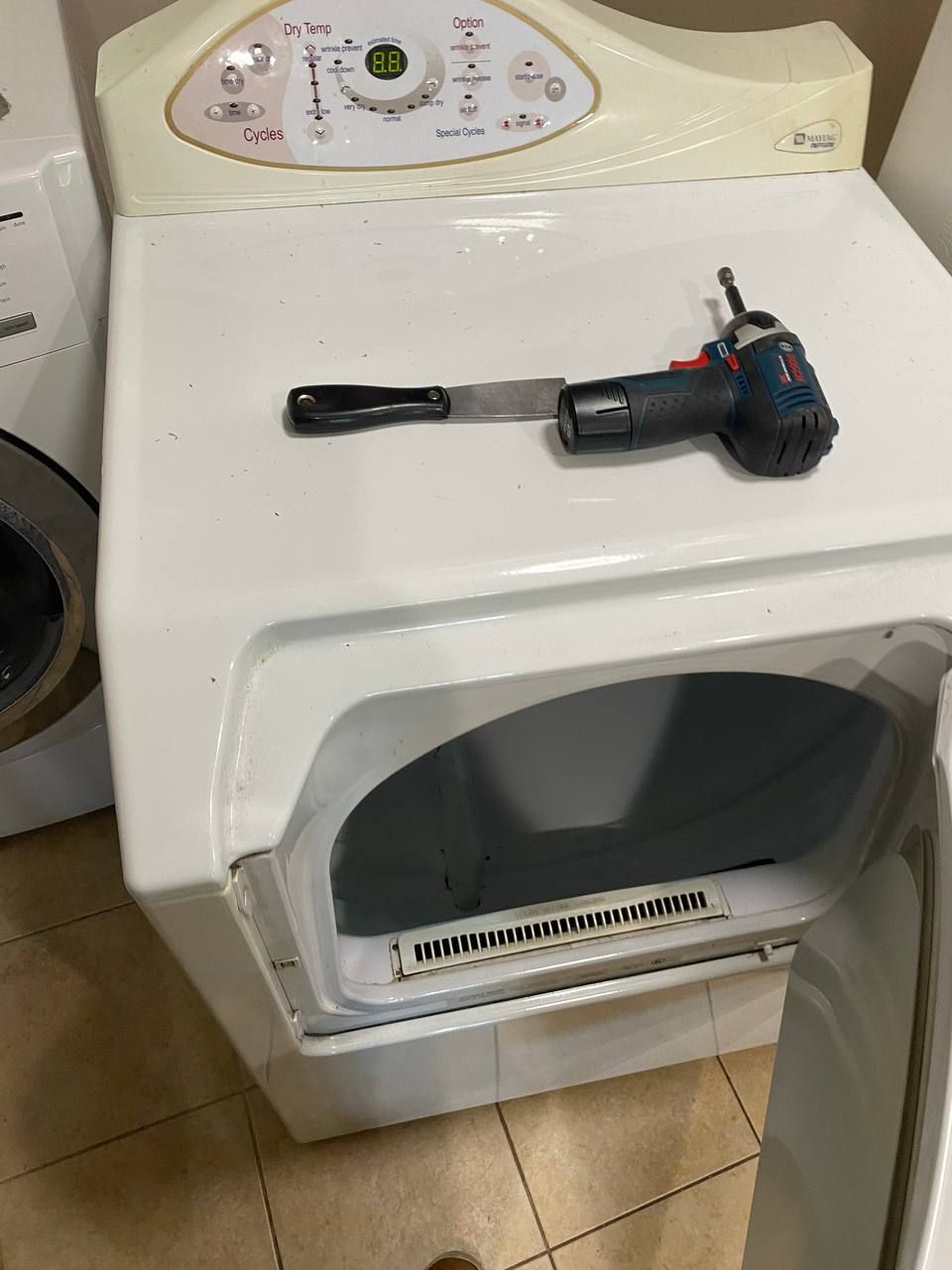
No heat, two cycles for one load, a squeal from the drum. Airflow at the vent hood gets checked on every dryer call.
Clothes dryers in Sudden ValleyDryers · Sudden Valley, Geneva, Lake Whatcom
Dryer repair in Sudden Valley
In Sudden Valley a slow dryer is often a vent problem in disguise. We repair electric and gas dryers around Lake Whatcom, test the heat and the drum, and check how well the air gets out of the house.
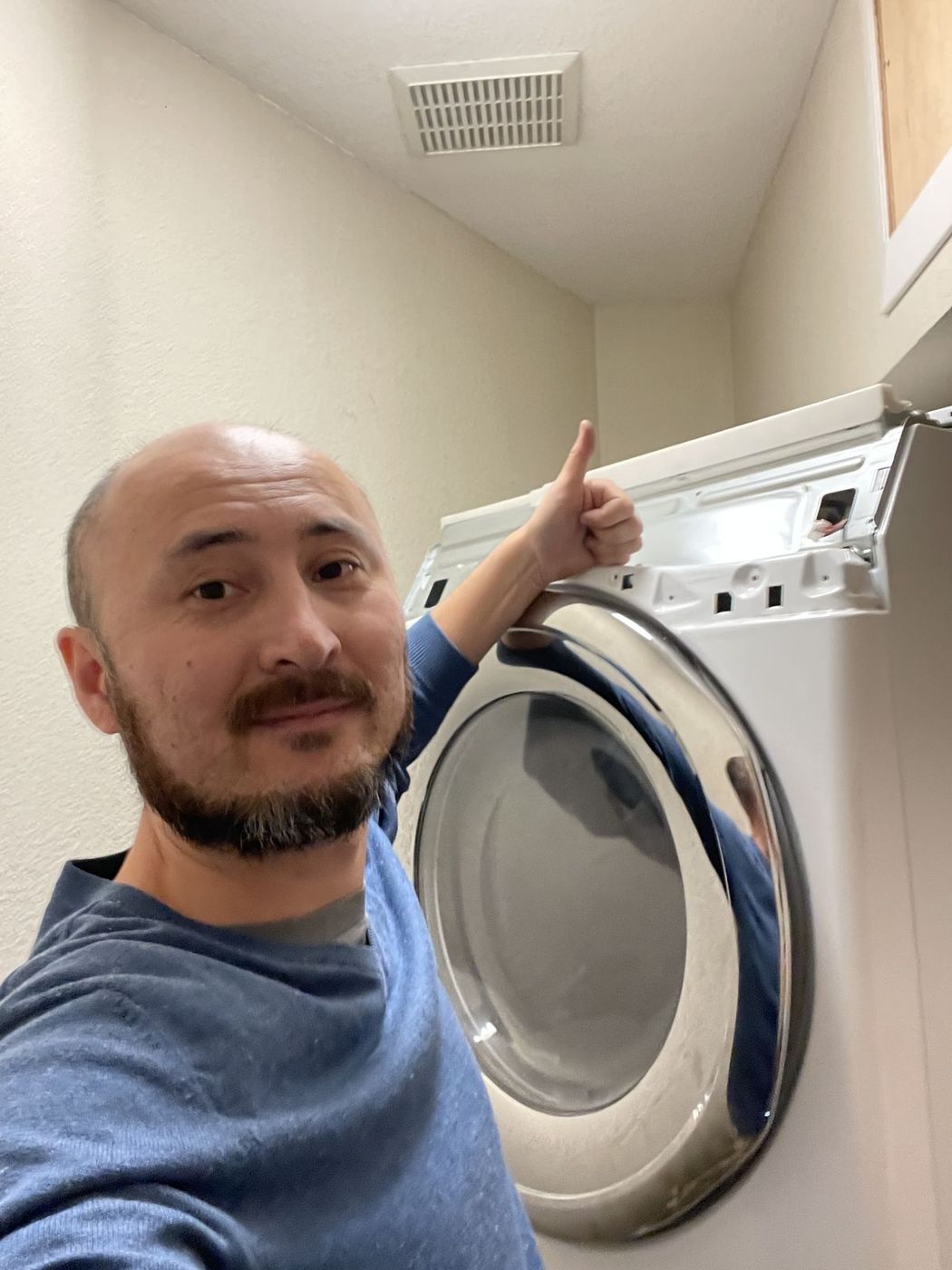
A dryer needs three things to work: heat, a turning drum and a way for wet air to leave. When the last one fails, the first two follow. Restricted airflow makes the dryer run hot, cycles the thermostats hard, and eventually blows the thermal fuse, which leaves you with a drum that turns and no heat at all. Replace the fuse without fixing the airflow, and the cycle starts again within weeks. That is why every dryer diagnostic we run starts with the same three checks: heat, drum and airflow.
In Sudden Valley, the vent run is where we look first. Many homes here sit on sloped, wooded lots, and laundry rooms in 1970s houses weren't always placed near an outside wall. Long runs through attics, crawlspaces or garages add bends and collect lint, and the exterior hood can clog with lint, needles, leaves or a bird's nest. Fixing the vent often matters more than fixing the dryer, and we will tell you which one is holding things up before you pay for parts you don't need.
You noticeTumbles but stays cold
Usual sourceThermal fuse blown by restricted airflow, or an open element
Our repairWe test the heat circuit and check airflow before replacing parts
You noticeNeeds two cycles to dry
Usual sourceLong, lint-filled or crushed vent run
Our repairWe check the duct and hood and test the element and thermostats
You noticeStops mid-cycle
Usual sourceMotor overheating or a failing high-limit thermostat
Our repairWe test the motor and thermostats and check the vent
You noticeSqueaks, thumps or scrapes
Usual sourceWorn rollers, glides, idler pulley or belt
Our repairWe replace the worn parts so the drum turns quietly
You noticeEnds early with damp clothes
Usual sourceMoisture sensor bars coated with residue
Our repairWe clean and test the sensor and the control
You noticeGas dryer won't light
Usual sourceWeak igniter, flame sensor or gas valve coils
Our repairWe test the ignition parts and replace the failed one
Check the vent yourself first. Clean the lint screen, then run the dryer and go outside to the hood. You should feel strong, warm air and see the flap open fully. If the flow is weak, the duct is the suspect: crushed behind the machine, clogged along a long run, or blocked at the hood. Wooded lots shed needles and leaves against low wall hoods, and roof-mounted hoods collect lint where nobody looks. A hood with a screen over it, which some older installations have, traps lint fast and should be replaced with a plain flap. Birds like the warm, sheltered spot a dryer hood offers, especially in spring, so a hood that suddenly stops opening deserves a look.
Long vent runs are a design issue rather than a fault. Dryer makers set a maximum duct length in the installation guide, and every elbow shortens it, so some older houses exceed it before the first load. A long run works most reliably in rigid metal duct with few bends, cleaned once a year. Semi-rigid aluminum duct is acceptable behind the machine, where it has to flex; foil and vinyl don't belong anywhere in the run. If your dryer has always been slow in this house, that may be the reason, and a new heating element alone won't change it. A booster fan or a relocated laundry are the real fixes, and we will tell you which direction makes sense.
Fuel varies around the lake. Gas mains do not reach Sudden Valley or Geneva, so electric dryers are the common setup, while some homes run propane dryers. We repair both kinds. With any gas or propane dryer, a fuel smell means leaving the house and calling your gas utility or propane supplier, or 911, from outside. Don't try to find the leak yourself, and don't switch lights or appliances on or off on the way out. When we work on a gas or propane dryer, we check the flexible connector and the shutoff behind it and point out anything that looks old or kinked.
Electric or gas, we don't post dryer prices; the cost of a thermostat or igniter varies several-fold from one brand or supplier to the next. We meter the dryer, write one price and begin only once you give the go-ahead. The diagnostic is included once you approve. Fuses, thermostats, belts, rollers and igniters ride along, so many dryers are running again before the technician leaves.
Tap a tab or let the folder turn on its own.
File 1 of 6
No heat, two cycles for one load, a squeal from the drum. Airflow at the vent hood gets checked on every dryer call.
Clothes dryers in Sudden Valley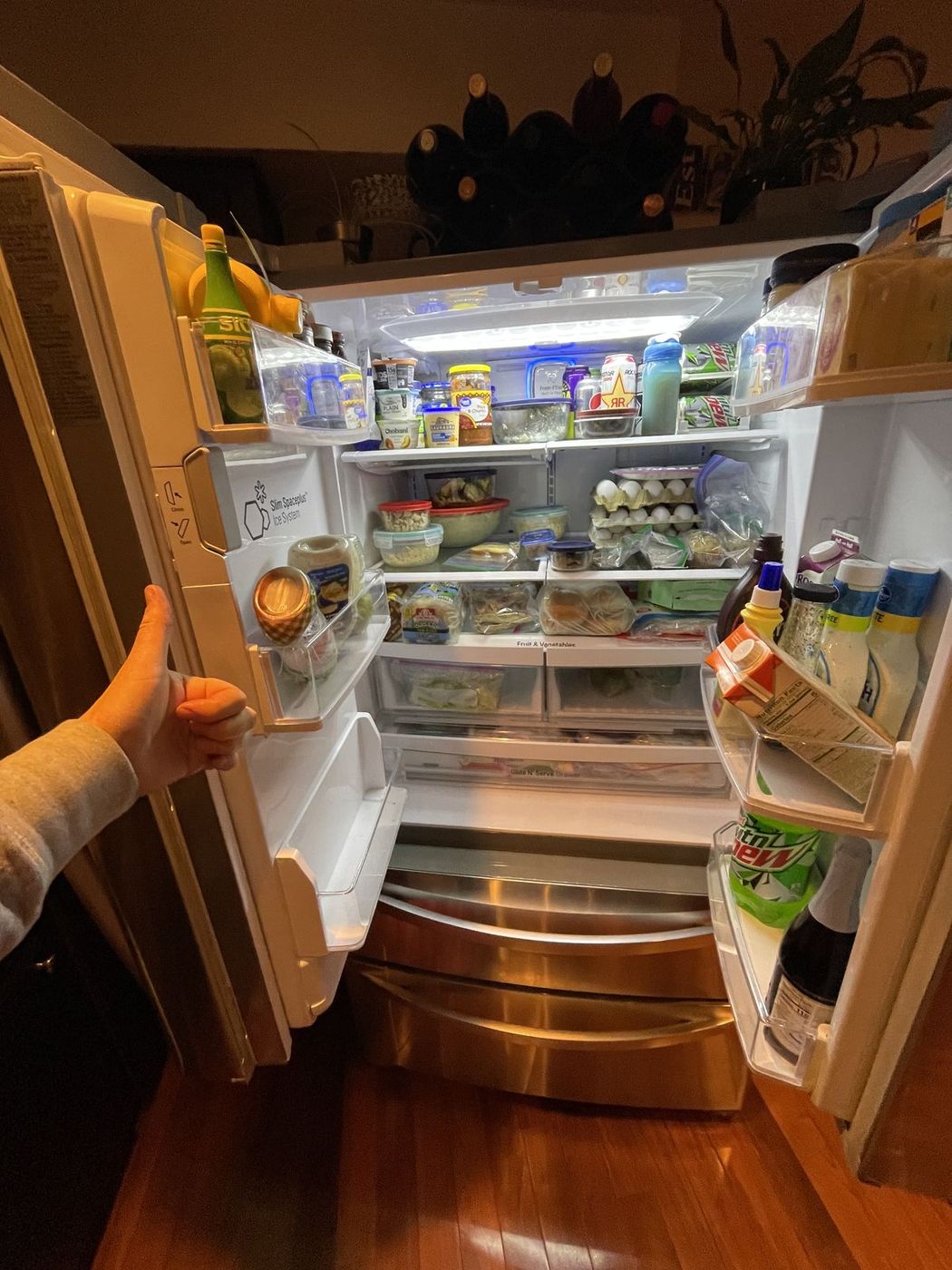
File 2 of 6
Warm shelves, frost across the rear panel, a garage freezer that quits in a cold snap: defrost parts, fans and relays get tested before we name a fix.
Refrigerators and freezers in Sudden Valley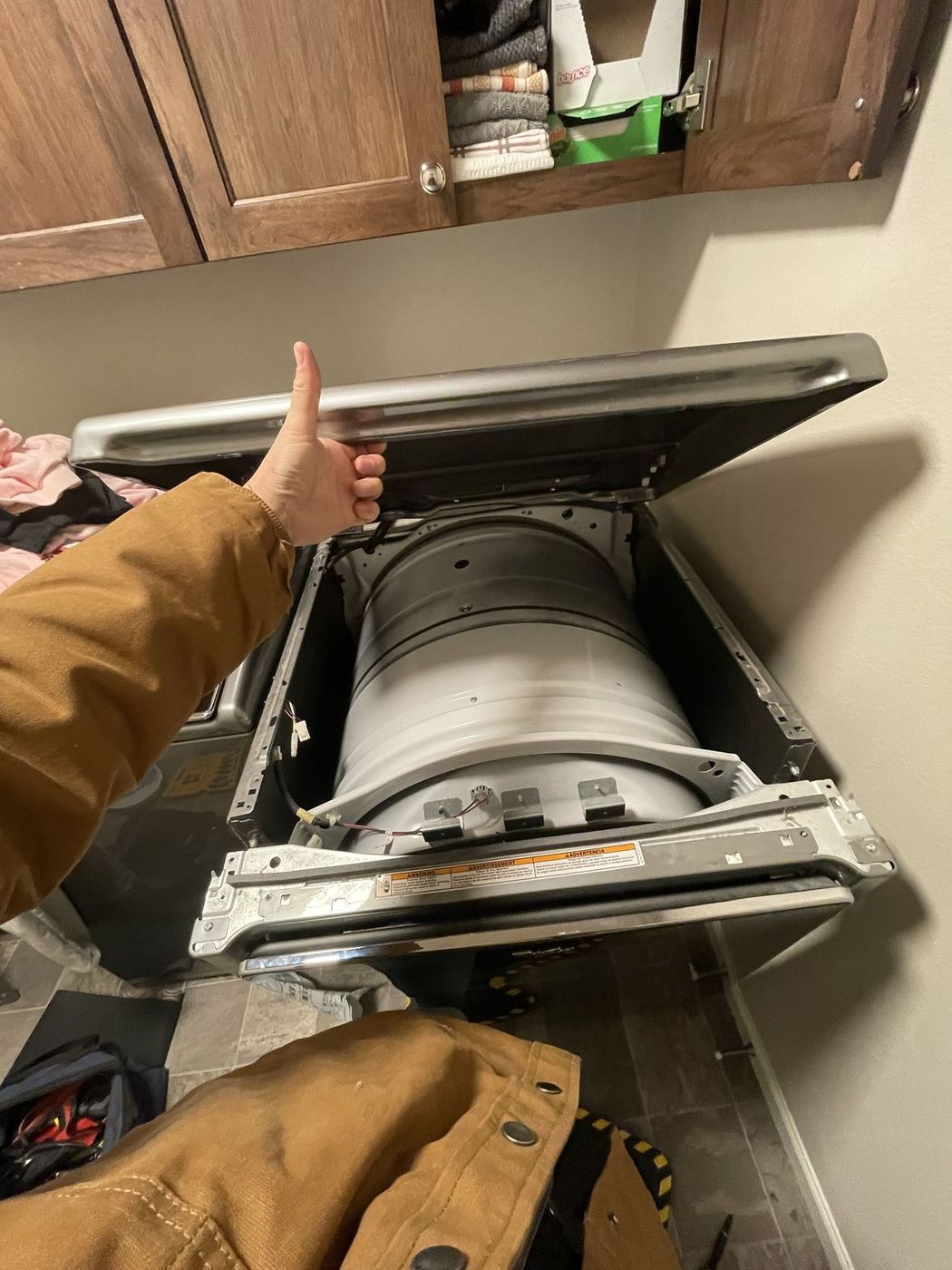
File 3 of 6
A drum that keeps its water, a lid lock stuck shut, a spin that rocks the floor: front-loaders, top-loaders and stacked towers alike.
Washing machines in Sudden Valley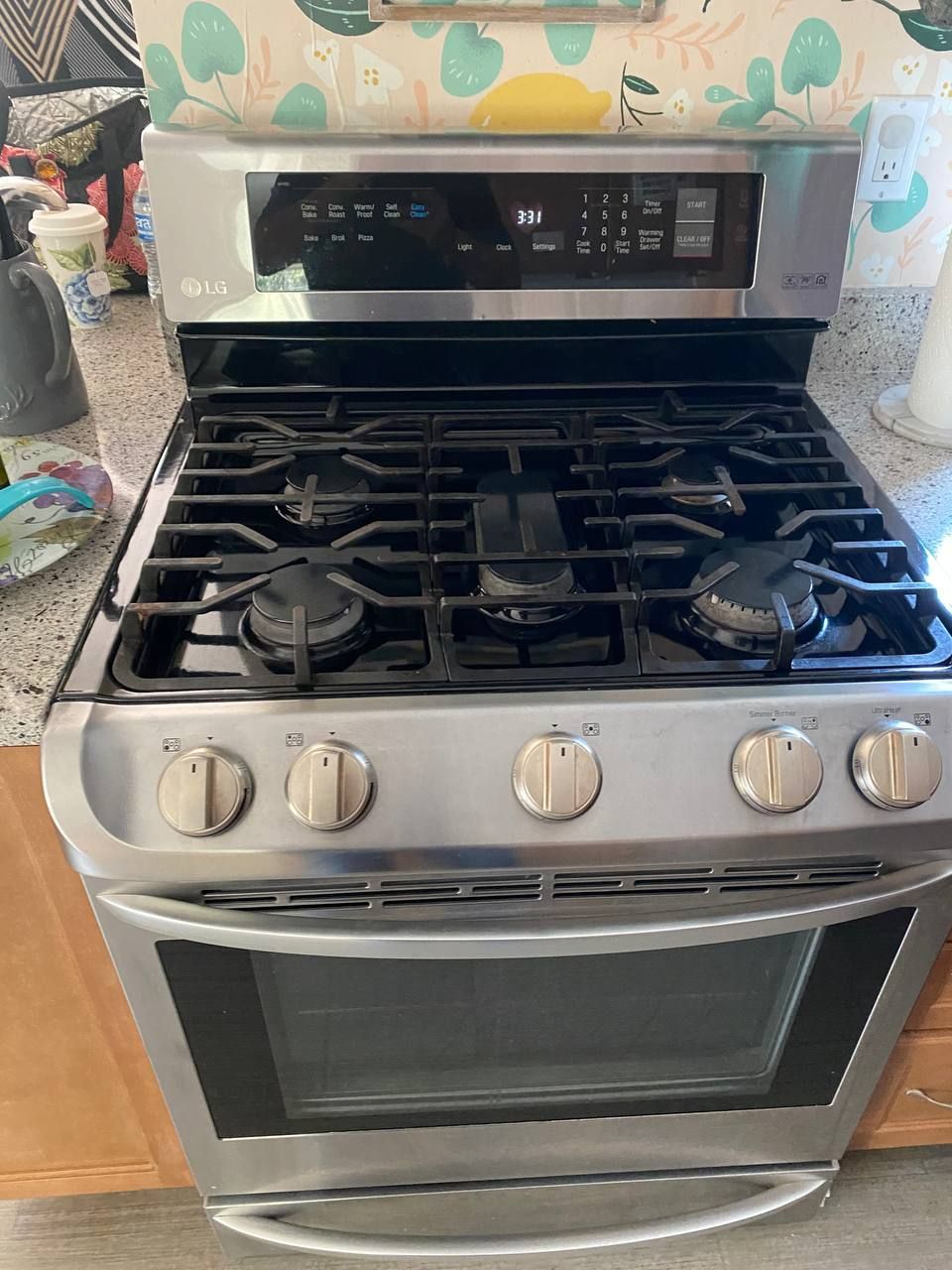
File 4 of 6
An oven element gone dark, burners clicking with no flame, a glass-top burner that will not shut off, on gas and electric ranges alike.
Ranges, ovens and cooktops in Sudden Valley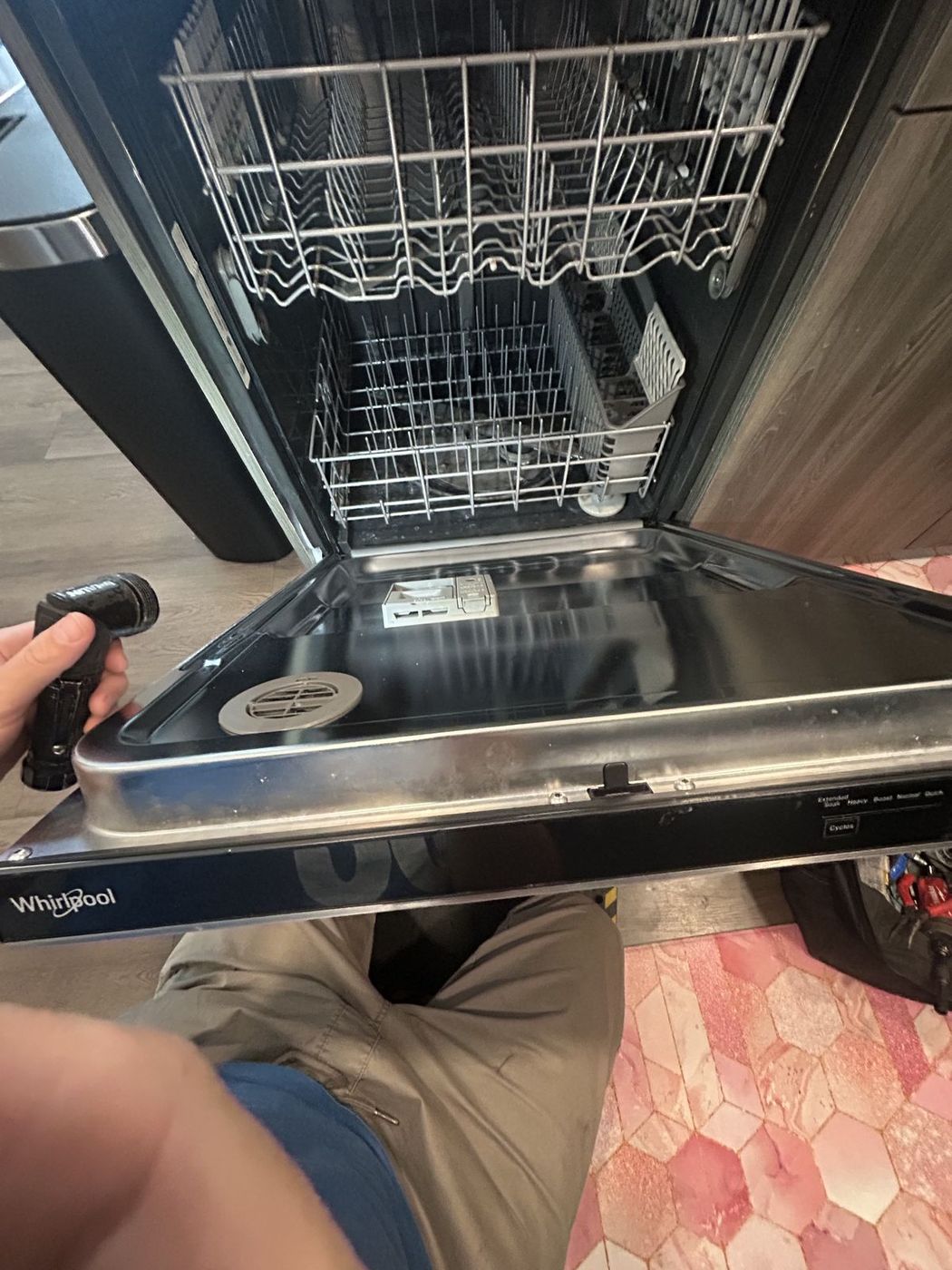
File 5 of 6
Grey water left behind, glasses turning cloudy, a drip by the toe kick, a panel that blinks and sulks.
Dishwashers in Sudden ValleyFile 6 of 6
Empty bins, thin hollow cubes, a fill line frozen in an outflow week: valve, line and module, tested in order.
Ice makers in Sudden ValleyDryers are simple machines, and most failures, such as fuses, elements, belts, rollers and igniters, cost a fraction of a new one. In Sudden Valley's owner-occupied homes, where a dryer may run a decade or more in the same laundry room, repair is usually the right first move. Replacement makes sense when the drum or bulkhead is worn through, the control board fails on an older model, or the cabinet has rusted after years in a damp garage. Before buying new, fix the vent: a new dryer on a restricted run will be slow and wear out its heating parts early, the same way the old one did. Heat-pump and ventless dryers avoid the vent problem altogether, which can be worth a look in a laundry room that sits far from an outside wall. Either way, the estimate is in writing, so the comparison is easy to make.
Most often a blown thermal fuse on an electric dryer, or a failed igniter or valve coil on a gas one. The fuse usually blows because airflow is restricted, so we check the vent before replacing it. Clean the lint screen and look at the outside hood; if the flap barely moves when the dryer runs, mention it when you book.
It depends on the dryer and the duct. Manufacturers list a maximum length in the installation guide, and each elbow counts against it. Rigid metal duct allows the longest runs; flexible foil allows the least. If your run is long, keep bends to a minimum and clean it yearly. We check airflow at the hood and tell you if the run is the problem.
A dryer that is very hot to the touch, or a laundry room that feels like a sauna, means air isn't leaving properly, and lint near heat is a real fire risk. Stop running it, empty the lint screen and check the outside hood. If that doesn't fix it, book a visit before running more loads.
Yes, if the dryer is set up for propane. Propane and natural-gas dryers use different burner orifices, and a dryer has to be configured for the fuel it burns. If you ever smell propane, get everyone out and phone your propane supplier or 911 from the street. We test igniters, flame sensors and valve coils on both kinds.
Yes. Agate Bay, the north and south shores of Lake Whatcom, Geneva and Sudden Valley are all inside our area, and none of them carries a distance charge. We take calls daily, a morning call can often get a same-day visit.
Set up the visit
Book dryer repair in Sudden Valley, Geneva or along Lake Whatcom by calling (360) 525-9166 or using the online form.
Dryer venting
Long dryer vent runs, crushed hoses and rooftop exits in condos and older homes: how they burn out thermal fuses, slow drying and raise fire risk.
Book a visit
Leave a few details and a dispatcher rings you back to agree on an arrival window. Someone picks up all week, and a request sent before mid-morning has the likeliest shot at a visit the same day.
Prefer to talk? (360) 525-9166 · Calls daily 8–7
State records
Both credentials are public state records. Tap a card for details, or look the numbers up yourself on L&I Verify.
Check our licenses yourself